
Introduction
For generations, the name “Big Black Dickson” has been spoken with a kind of reverence in certain gardening circles and heirloom orchard societies. It doesn’t refer to a person, but to something perhaps just as storied: a remarkable variety of tomato. This isn’t your average supermarket cherry tomato.
The Big Black Dickson is a legendary heirloom, a beefsteak variety known for its stunning appearance, complex flavor, and the fascinating history it carries from a 19th-century farm to modern-day gardens. In this article, we’ll dig into everything that makes this tomato so special—from its origins to how you can grow your own.
What Exactly Is the Big Black Dickson Tomato?
Let’s start with the basics. The Big Black Dickson is an heirloom beefsteak tomato cultivar. “Heirloom” generally means the seeds have been passed down for at least 50 years and are open-pollinated (not hybrids). You can save seeds from your harvest and grow the same tomato year after year.
But the “Big Black” part is what really catches the eye. We’re not talking about a tomato that’s literally black. Instead, the Big Black Dickson is known for its deep, rich coloring. The fruits typically start green, develop reddish shoulders, and mature into a breathtaking, dusky blend of deep purples, mahogany reds, and dark greens. Often, the bottom retains a smoky, olive-green hue.
This stunning coloration is due to high levels of anthocyanins, the same antioxidants found in blueberries and blackberries.
And “big”? That’s no exaggeration. A proper Big Black Dickson tomato can easily weigh between one and two pounds, with some champions pushing even larger. They are meaty, with few seeds, and a texture that is both substantial and succulent.
A Slice of History: The Story Behind the Name
The tale of the Big Black Dickson is as rich as its flavor. It traces back to the Dickson family farm in the late 1800s, near the town of York in Nebraska, USA. The patriarch, Alexander Dickson, was a Scottish immigrant and a dedicated plant breeder. His son, John, continued the work, focusing on developing superior tomato strains that could thrive in the challenging Midwestern climate.
John Dickson’s goal was to create the perfect tomato: one that was large, productive, crack-resistant, and exceptionally tasty. Through careful selection and cross-breeding of the best plants from his fields over many seasons, he stabilized the variety we now know.
It was originally simply called the “Dickson Tomato.” The “Big Black” descriptor was added later by seed savers and growers to distinguish its stunning color and size from other Dickson-family tomatoes.
For decades, the Big Black Dickson was a prized local variety, its seeds shared among neighbors and family. Like many heirlooms, it faded from commercial catalogs with the rise of industrial, shipping-friendly hybrids in the mid-20th century.
It was saved from obscurity by dedicated seed savers and organizations like the Seed Savers Exchange, which helped reintroduce this gem to gardeners everywhere. Today, it stands as a living testament to patient, thoughtful plant breeding.
Why Gardeners Cherish the Big Black Dickson
So, what’s all the fuss about? Why do gardeners go out of their way to source seeds for this particular tomato? The reasons are as layered as the tomato’s color.
Unmatched, Complex Flavor: This is the crown jewel. The Big Black Dickson is celebrated for its exquisite taste profile. It’s not just “sweet” or just “tangy.” It offers a sophisticated balance:
- A rich, initial sweetness that is almost smoky.
- Low acidity compared to many red tomatoes, making it less sharp.
- Deep, earthy undertones that linger on the palate.
- A dense, meaty flesh that isn’t watery.
It’s the kind of tomato that makes you pause after a bite. It’s a tomato for eating fresh, with perhaps just a sprinkle of salt, to fully appreciate its character.
Stunning Visual Appeal: In the garden or on a plate, the Big Black Dickson is a showstopper. Its dramatic, bi-colored and multi-hued skin makes it a conversation piece. It adds incredible visual interest to salads, sandwiches, and platters.
Gardening Resilience: True to John Dickson’s original intent, this variety is known for being relatively crack-resistant, a common problem with large heirlooms after heavy rain. It’s also an indeterminate plant, meaning it will continue growing and producing fruit throughout the growing season until frost, offering a steady harvest rather than one big burst.
How to Grow Your Own Big Black Dickson Tomatoes
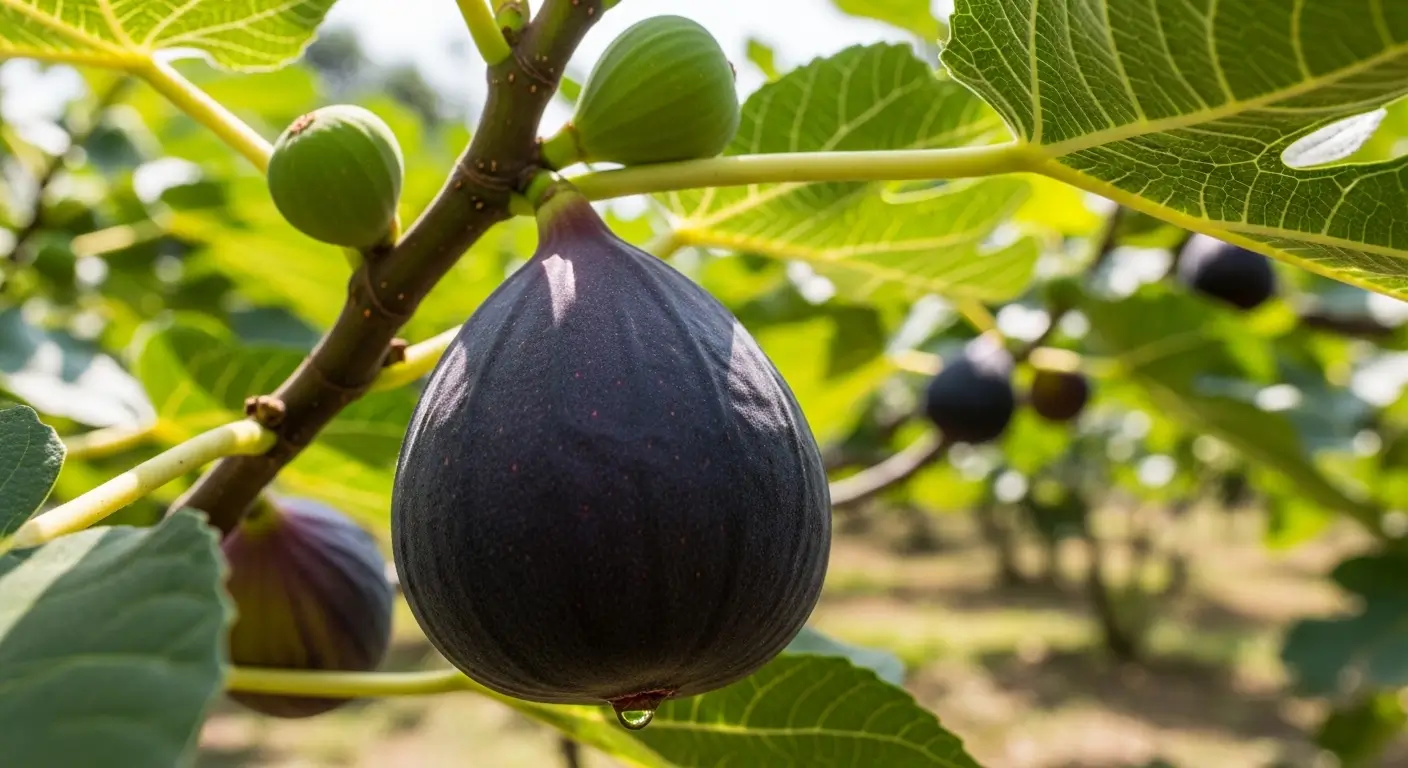
Inspired to try growing this legendary tomato? Success starts with understanding its needs. Here’s a step-by-step guide to cultivating your own harvest.
- Starting from Seed:
- Timing: Start seeds indoors 6-8 weeks before your last expected spring frost date. They need a long, warm growing season to produce those massive fruits.
- Method: Plant seeds ¼ inch deep in a quality seed-starting mix. Keep the soil warm (70-80°F) and moist until germination, which usually takes 5-10 days.
- Lighting: Once sprouted, seedlings need strong, direct light for 12-16 hours a day to prevent them from becoming leggy and weak. A sunny south-facing window might work, but grow lights are often more reliable.
- Transplanting to the Garden:
- When: Transplant seedlings outdoors only after all danger of frost has passed and nighttime temperatures are consistently above 50°F. “Hardening off” your plants—acclimating them to outdoor conditions over 7-10 days—is crucial to avoid shock.
- Where: Choose the sunniest spot in your garden. Tomatoes need a minimum of 6-8 hours of direct sun daily, and more is better.
- How: Plant them deep! Bury the stem up to the first set of true leaves. The buried stem will grow additional roots, creating a stronger, more robust plant. Space plants about 2-3 feet apart to ensure good air circulation.
- Essential Care Through the Season:
- Support is Non-Negotiable: A Big Black Dickson plant is a large, vigorous vine that can reach 6-8 feet tall. Those heavy fruits will quickly pull branches to the ground without support.
- Best Options: Use tall, sturdy cages (at least 5 feet tall) or a trellis system like the Florida Weave. Regularly tie the main stem and heavy branches to the support as it grows.
- Watering Wisdom: Consistent watering is key to preventing problems like blossom end rot.
- Rule of Thumb: Aim for 1-2 inches of water per week, delivered slowly and deeply at the soil level. Avoid overhead watering, which can promote fungal diseases. Mulching heavily with straw or shredded leaves helps retain moisture and keep soil splashes off the leaves.
- Feeding for Success: These are heavy feeders. Prepare your soil with plenty of compost before planting.
- Fertilizer Strategy: Use a balanced organic fertilizer at planting. Once flowers appear and fruits begin to set, switch to a fertilizer lower in nitrogen and higher in phosphorus and potassium (like a “tomato” fertilizer) to encourage blooming and fruiting over leafy growth.
From Vine to Table: Harvesting and Enjoying Your Bounty
The moment of truth! Harvesting at the right time ensures you experience the full glory of the Big Black Dickson flavor.
Knowing When to Pick: Color is your best guide. The fruit is ready when it has developed its full, dark, dusky hue and feels slightly soft to a gentle squeeze. It should come off the vine with a slight, easy twist. Don’t wait for it to be uniformly red—that characteristic greenish blush at the bottom often remains.
Storing and Using Your Harvest:
- Never Refrigerate! Cold temperatures destroy the texture and flavor of heirloom tomatoes. Store them at room temperature, stem-side down, out of direct sunlight, and use within a few days.
- Culinary Uses: The Big Black Dickson shines where its flavor can be the star.
- The Ultimate Sandwich: A single thick slice can cover an entire piece of bread. Pair with mayo, fresh basil, and good cheese.
- Salad Centerpiece: Wedges or chunks add dramatic color and deep flavor to caprese or garden salads.
- Simple Slicing: Serve thick slices with a drizzle of good olive oil, flaky sea salt, and freshly cracked pepper.
- Sauces & Salsas: While excellent fresh, its rich, low-acid profile also makes for uniquely flavorful cooked sauces and salsas.
Common Challenges and How to Overcome Them
Growing any heirloom tomato comes with potential hurdles. Being prepared is half the battle.
- Pests: Keep an eye out for hornworms (large green caterpillars), aphids, and whiteflies. Hand-pick hornworms. A strong blast of water or insecticidal soap can handle smaller pests.
- Diseases: Fungal diseases like early blight or septoria leaf spot are common. Prevention is your best tool:
- Rotate your tomato crop location each year.
- Ensure excellent air circulation via proper spacing and pruning.
- Water at the soil level, not the leaves.
- Remove the bottom 6-12 inches of leaves after the plant is well-established to prevent soil splash.
- Blossom End Rot: This appears as a dark, leathery spot on the bottom of the fruit. It’s primarily a calcium availability issue, often caused by irregular watering. The solution is consistent, deep watering and maintaining soil pH around 6.5.
The Bigger Picture: Why Heirlooms Like This Matter
Choosing to grow a Big Black Dickson is about more than just gardening. It’s an act of preservation. Every time a gardener plants these seeds, they are:
- Preserving Genetic Diversity: Heirlooms hold a vast library of genetic traits—like unique flavors, colors, and resistances—that are lost in commercial hybrid uniformity. This diversity is crucial for future food security.
- Connecting with History: You’re growing a living piece of agricultural history, a direct link to the work of John Dickson and countless home gardeners who saved its seeds.
- Supporting Flavor and Nutrition: Many gardeners and chefs believe that heirlooms offer superior taste and nutritional complexity compared to mass-produced varieties, which are bred primarily for shelf life and transport.
Final Thoughts: Is the Big Black Dickson Right for Your Garden?
If you have a sunny spot and a passion for truly exceptional food, the answer is a resounding yes. Growing the Big Black Dickson requires a bit more patience and care than grabbing a seedling from a big-box store, but the reward is incomparable. The anticipation as those dark, hefty fruits swell on the vine, and the unforgettable first taste of your harvest, make every bit of effort worthwhile.
It’s a tomato that teaches you about gardening, about history, and about what real flavor can be. So this season, consider making space for this legendary variety. Order your seeds from a reputable heirloom supplier, get your hands dirty, and join the generations of gardeners who have kept the legacy of the remarkable Big Black Dickson alive and thriving. Your taste buds will thank you.