
Introduction
When it comes to protecting vehicles, walls, and structures from damage in tight spaces, Eckfender plays a crucial role that often goes unnoticed. These corner fenders, known as “eckfender” in German-speaking regions, serve as essential protective barriers in parking garages, warehouses, loading docks, and countless other environments where corners are vulnerable to impact. This comprehensive guide explores everything you need to know about these practical protective solutions.
What is an Eckfender?
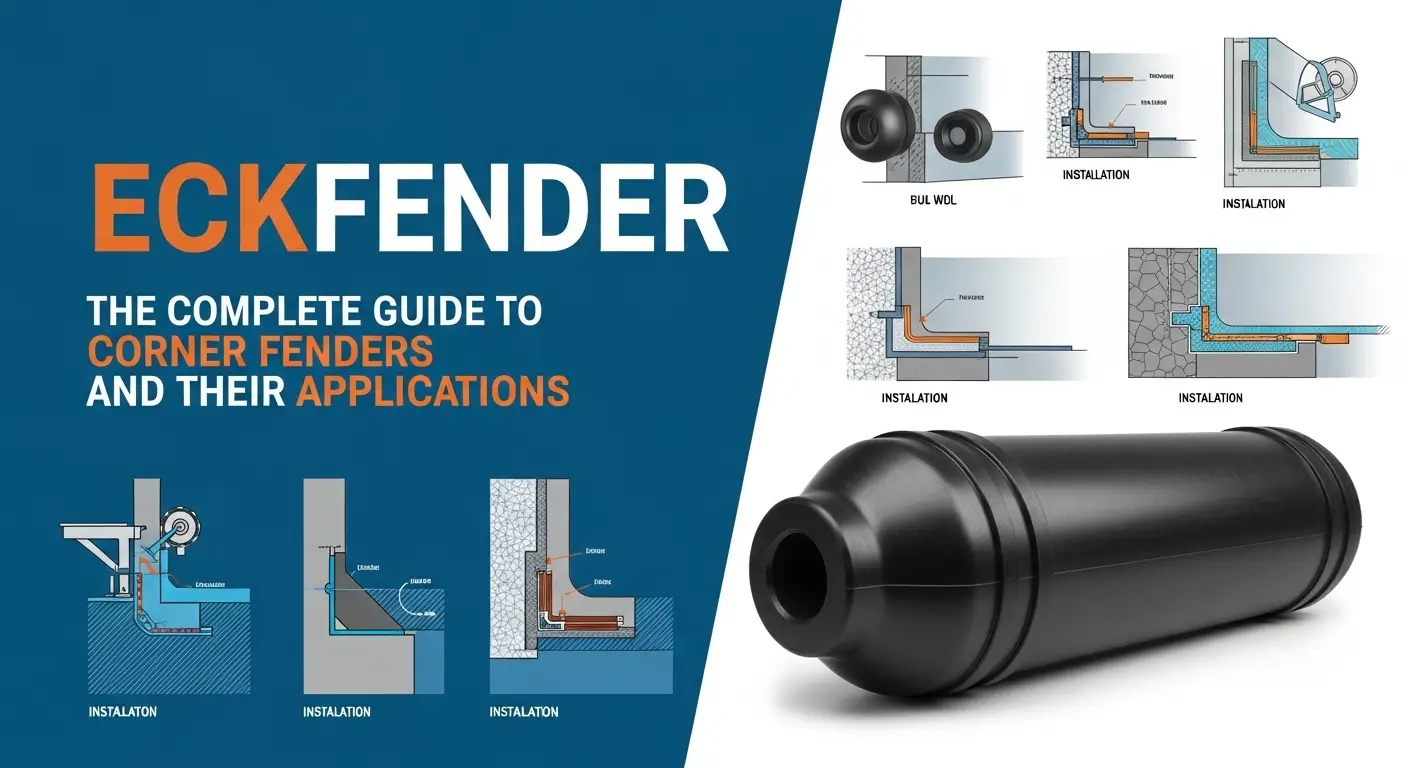
An eckfender is a protective device specifically designed to guard corners from impact damage. The term comes from German, where “Ecke” means corner and “Fender” refers to a protective bumper or guard. These protective elements are installed on building corners, wall edges, columns, and other vulnerable corner points where vehicles, equipment, or heavy objects might make contact.
The Purpose of Eckfender
Eckfender serves multiple important functions:
- Structural protection: Prevents costly damage to building corners and edges
- Vehicle safety: Protects cars, trucks, and equipment from scratches and dents
- Cost reduction: Minimizes repair expenses for both structures and vehicles
- Visual guidance: Provides clear visual markers in low-light or tight spaces
- Safety enhancement: Reduces accident risks in high-traffic areas
The installation of quality eckfender systems can save property owners thousands of dollars in repair costs while improving overall safety.
Types of Eckfender Solutions

The market offers various eckfender types designed for different applications and environments.
Rubber Corner Fenders
Rubber represents one of the most popular materials for eckfender construction:
Advantages:
- Excellent shock absorption properties
- Weather-resistant for outdoor applications
- Flexible enough to withstand repeated impacts
- Available in various hardness levels
- Cost-effective solution
- Easy installation and replacement
Common Applications:
- Parking garage columns
- Warehouse corner protection
- Loading dock areas
- Industrial facilities
- Commercial building entrances
Rubber eckfender units typically last 5-10 years, depending on usage intensity and environmental conditions.
Plastic Corner Guards
Modern plastic eckfender options offer durability and versatility:
Material Types:
- Polyethylene (PE): Lightweight and impact-resistant
- PVC: Rigid protection with good visibility
- Polyurethane: Superior durability and abrasion resistance
- Recycled plastics: Environmentally friendly options
Benefits:
- Won’t rust or corrode
- Resistant to chemicals and oils
- Available in bright safety colors
- UV-resistant formulations for outdoor use
- Lower maintenance requirements
Plastic eckfender solutions work particularly well in environments with exposure to chemicals or moisture.
Metal Corner Protectors
For heavy-duty applications, the metal eckfender provides maximum protection:
Material Options:
- Steel: Maximum strength for high-impact areas
- Stainless steel: Corrosion-resistant for outdoor or marine environments
- Aluminum: Lightweight yet strong protection
- Galvanized metal: Cost-effective with rust protection
Ideal Settings:
- Industrial warehouses with forklift traffic
- Loading docks with heavy equipment
- Outdoor parking structures
- High-traffic commercial areas
- Facilities requiring fire-resistant materials
Metal eckfender installations often include rubber or plastic face plates to prevent vehicle damage while protecting structures.
Foam Corner Protectors
Soft foam eckfender serves specialized protective needs:
- Child-safe environments like daycare centers
- Healthcare facilities protecting patients
- Retail spaces preventing shopping cart damage
- Temporary protection during construction
- Low-impact residential applications
These softer eckfender options prioritize preventing injury over heavy-duty structural protection.
Key Features to Consider When Selecting Eckfender
Choosing the right eckfender requires evaluating several important factors.
Impact Resistance
The primary function of any eckfender is absorbing and deflecting impacts:
Considerations:
- Expected force of typical impacts
- Frequency of contact
- Types of vehicles or equipment in the area
- The speed at which impacts typically occur
Heavy industrial settings require more robust eckfender solutions than residential parking areas.
Size and Coverage
Eckfender comes in various dimensions to match different protection needs:
Height Options:
- Short guards: 12-24 inches for the car bumper level
- Medium guards: 24-48 inches for truck protection
- Full-height guards: 48+ inches for complete corner coverage
Width and Depth:
- Slim profiles for tight spaces
- Wide-angle coverage for broader protection
- Projecting designs that create greater buffer zones
Proper sizing ensures the eckfender protects the entire vulnerable area without creating navigation obstacles.
Visibility and Reflectivity
Many eckfender designs incorporate visibility-enhancing features:
- Bright colors: Yellow, orange, or striped patterns
- Reflective strips: For low-light conditions
- Contrasting designs: Stand out against walls
- Illuminated options: LED-integrated models for dark areas
Enhanced visibility makes eckfender serve double duty as a protective barrier and visual guide.
Installation Method
Eckfender installation approaches vary by type:
Mounting Options:
- Bolt-on systems for permanent installation
- Adhesive-backed units for quick application
- Magnetic attachment for temporary protection
- Embedded anchors for maximum strength
The installation method affects both initial costs and long-term maintenance of eckfender systems.
Environmental Resistance
Operating environment influences eckfender material selection:
Indoor Considerations:
- Temperature variations
- Cleaning chemical exposure
- Aesthetic requirements
- Fire safety regulations
Outdoor Factors:
- UV radiation exposure
- Temperature extremes
- Moisture and precipitation
- Freeze-thaw cycles
Choosing environmentally appropriate eckfender ensures longevity and consistent performance.
Applications of Eckfender in Different Settings
Understanding where eckfender provides value helps identify installation opportunities.
Parking Structures
Parking garages represent the most common eckfender application:
Protection Points:
- Structural columns throughout parking levels
- Wall corners at drive aisles
- Ramp edges and transitions
- Entrance and exit areas
- Elevator lobbies and pedestrian zones
Studies show that parking structures with comprehensive eckfender systems experience 60-70% fewer damage incidents requiring repairs.
Warehouses and Distribution Centers
Industrial facilities benefit significantly from eckfender installation:
High-Risk Areas:
- Forklift operating zones
- Loading dock corners
- Narrow aisles between storage racks
- Doorway and entryway corners
- Equipment charging stations
The cost of repairing damaged warehouse corners can reach thousands of dollars per incident, making eckfender a wise investment.
Commercial Buildings
Office buildings and retail spaces use eckfender for various purposes:
- Shopping mall corridors and corners
- Hospital corridors protecting walls from bed and equipment impacts
- School hallways preventing cart and backpack damage
- Hotel parking and service areas
- Restaurant loading zones
Commercial eckfender often emphasizes aesthetics alongside protection, blending with architectural design.
Residential Applications
Home applications for eckfender continue growing:
Common Uses:
- Garage corners protecting family vehicles
- Home workshop edges
- Basement column protection
- Children’s play area safety
- Moving and renovation protection
Residential eckfender typically costs $20-100 per unit depending on size and material.
Marine and Dock Facilities
Specialized eckfender serves waterfront structures:
- Boat dock corner protection
- Marina pier edges
- Loading dock corners at port facilities
- Ship-to-shore transfer areas
- Floating dock connections
Marine eckfender must withstand constant moisture, salt exposure, and significant impact forces.
Installation Best Practices for Eckfender
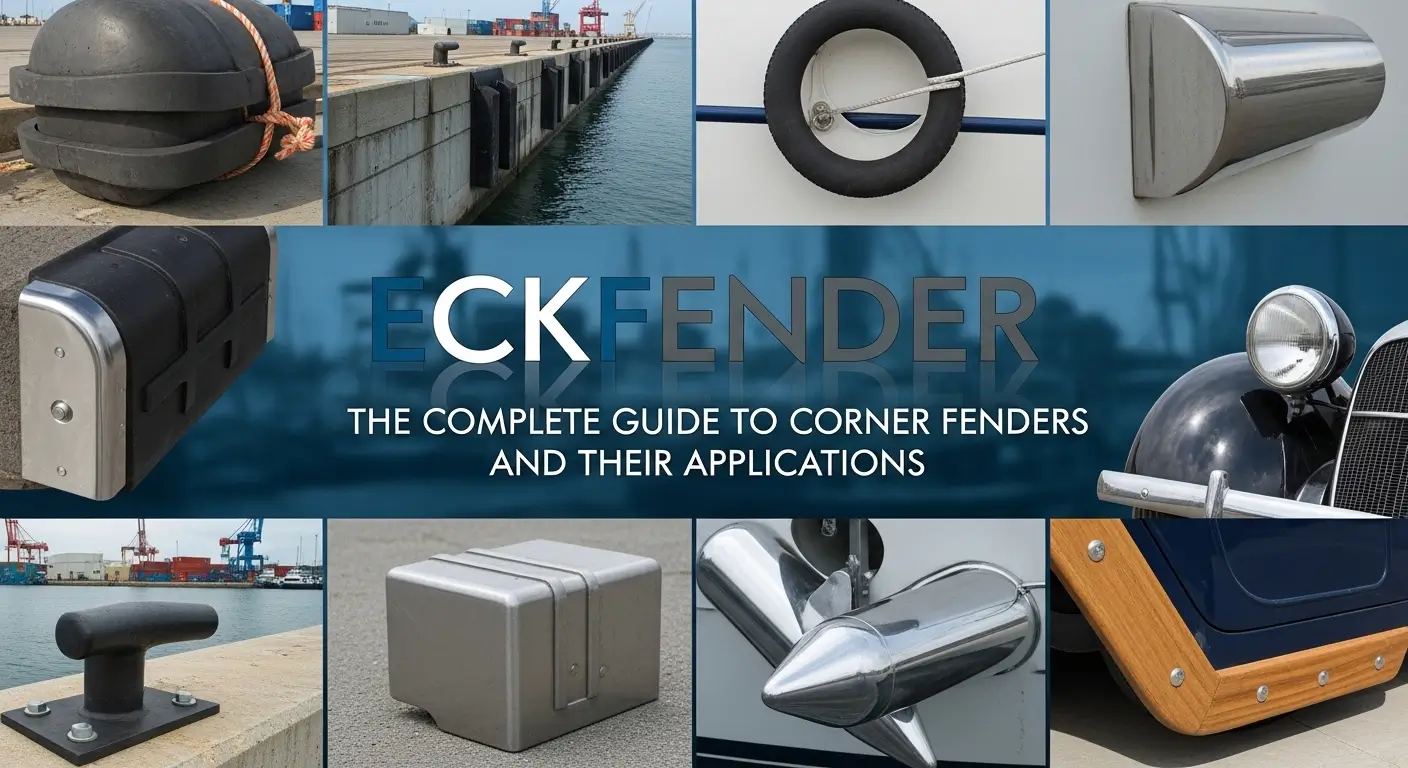
Proper installation maximizes the effectiveness and lifespan of eckfender systems.
Pre-Installation Assessment
Before installing eckfender, evaluate the protection area:
- Measure corner dimensions accurately
- Identify traffic patterns and typical approach angles
- Assess surface condition of mounting area
- Determine impact height range based on vehicle types
- Check for obstructions that might interfere with installation
Thorough assessment ensures the selected eckfender fits properly and provides complete protection.
Surface Preparation
Clean, prepared surfaces ensure secure eckfender attachment:
Preparation Steps:
- Remove dirt, dust, oil, and debris
- Repair any damaged concrete or drywall
- Fill holes or cracks that might compromise mounting
- Allow repairs to cure completely
- Mark mounting positions accurately
Poor surface preparation is the leading cause of premature eckfender failure.
Mounting Techniques
Different eckfender types require specific installation methods:
Bolt Installation:
- Drill pilot holes at marked positions
- Insert appropriate anchors for wall material
- Align eckfender and insert bolts
- Tighten to manufacturer specifications
- Apply thread-locking compound if recommended
Adhesive Installation:
- Apply adhesive to eckfender backing
- Press firmly against prepared surface
- Support during curing period (usually 24-48 hours)
- Avoid stress on bond until fully cured
Hybrid Systems:
- Combine adhesive and mechanical fasteners
- Provides redundant security
- Recommended for high-traffic areas
Professional installation ensures eckfender performs as designed throughout its service life.
Height Positioning
Strategic height placement maximizes eckfender effectiveness:
Standard Guidelines:
- Lower edge: 4-6 inches from floor (bumper height)
- Upper edge: 24-36 inches for cars, 48+ inches for trucks
- Multiple units: Stack vertically for full coverage
- Critical areas: Consider full-height protection
Proper height positioning protects against impacts from various vehicle types using the eckfender protected area.
Maintenance and Care of Eckfender
Regular maintenance extends eckfender service life and maintains protective effectiveness.
Routine Inspections
Periodic examination identifies issues before they become serious:
Monthly Checks:
- Visual inspection for cracks, tears, or deformation
- Verify secure attachment to mounting surface
- Check for loosened bolts or degraded adhesive
- Assess reflective elements if present
- Remove accumulated dirt or debris
Quarterly Reviews:
- More thorough physical examination
- Test firmness and integrity
- Document condition with photos
- Replace damaged units promptly
Regular inspection prevents eckfender failure when protection is needed most.
Cleaning Procedures
Keeping eckfender clean maintains visibility and function:
Cleaning Methods:
- Wash with mild soap and water
- Remove oil and grease with appropriate solvents
- Rinse thoroughly after cleaning
- Allow to dry completely
- Avoid abrasive cleaners that might damage surfaces
Clean eckfender units provide better visual guidance and last longer than neglected installations.
Damage Assessment and Replacement
Know when eckfender requires replacement:
Replacement Indicators:
- Visible cracks extending through material
- Deformation that doesn’t return to original shape
- Separation from mounting surface
- Missing or severely degraded reflective elements
- Hardening or brittleness in rubber components
Damaged eckfender should be replaced immediately to maintain protective coverage.
Seasonal Considerations
Climate variations affect eckfender performance:
Winter Care:
- Remove ice and snow buildup
- Check for cold-temperature brittleness
- Monitor for freeze-thaw damage
- Clear snow removal equipment marks
Summer Maintenance:
- Inspect for UV degradation
- Clean more frequently due to dust
- Check for heat-related softening or deformation
Seasonal maintenance keeps eckfender functioning year-round.
Cost Considerations for Eckfender Systems
Understanding eckfender costs helps budget for protective installations.
Initial Investment
Eckfender prices vary widely based on specifications:
Budget Options:
- Basic foam guards: $10-30 per unit
- Standard rubber corners: $25-75 per unit
- Quality plastic protectors: $50-150 per unit
Premium Solutions:
- Heavy-duty industrial units: $150-300 per unit
- Custom-fabricated metal guards: $200-500+ per unit
- Integrated lighting systems: $300-800 per unit
A typical parking garage might invest $5,000-25,000 in comprehensive eckfender protection, depending on size and quality level selected.
Installation Costs
Professional installation adds to the total eckfender project expenses:
- Simple adhesive installation: $25-50 per unit
- Standard bolt mounting: $50-100 per unit
- Complex custom installations: $100-250+ per unit
DIY installation saves labor costs but requires proper tools and skills.
Long-Term Value
Eckfender provides a substantial return on investment:
Cost Avoidance:
- Concrete corner repair: $500-2,000 per incident
- Vehicle damage claims: $1,000-5,000 average
- Structural damage to columns: $2,000-10,000+ repair cost
- Liability for customer vehicle damage: Varies widely
Industry data suggests that comprehensive eckfender systems typically pay for themselves within 2-4 years through avoided damage costs.
Lifecycle Costs
Consider total ownership expenses for Eckfender:
- Initial purchase and installation: One-time investment
- Periodic replacement: Every 5-15 years, depending on the material
- Maintenance supplies: Minimal ongoing costs
- Inspection labor: Regular review time
Total lifecycle costs for Eckfender remain significantly lower than repeated corner repair expenses.
Innovations in Eckfender Technology
Modern eckfender designs incorporate advanced features and materials.
Smart Eckfender Systems
Technology integration creates intelligent protection:
Advanced Features:
- Impact sensors detect and record collisions
- LED lighting activated by proximity sensors
- Integration with building management systems
- Data collection for traffic pattern analysis
- Alert systems notifying facility managers of impacts
Smart eckfender helps optimize parking operations and identify problem areas.
Sustainable Materials
Environmental consciousness drives Eckfender’s material innovation:
- Recycled rubber from used tires
- Biodegradable plastics for temporary applications
- Reclaimed industrial materials
- Low-VOC adhesives and coatings
- Recyclable end-of-life materials
Sustainable eckfender aligns protection needs with environmental responsibility.
Modular Systems
Flexible eckfender designs adapt to changing needs:
Modular Advantages:
- Stackable units for adjustable height
- Interchangeable components for repairs
- Expandable systems as facilities grow
- Reconfigurable for different corner angles
- Mix-and-match color schemes
Modular eckfender provides long-term flexibility and value.
Enhanced Visibility Features
Improved safety through better visual presence:
- Photoluminescent materials glowing in the darkness
- Solar-powered LED illumination
- High-contrast color combinations
- Geometric patterns enhancing depth perception
- Reflective technology from traffic safety applications
Highly visible eckfender prevents accidents before impacts occur.
Conclusion
Eckfender represents a simple yet highly effective solution to a common problem—protecting corners from impact damage. Whether in parking structures, warehouses, commercial buildings, or residential garages, these protective guards serve as the first line of defense against costly damage to both structures and vehicles.
The investment in quality eckfender pays dividends through reduced repair costs, improved safety, and extended building lifespan. A single prevented collision can justify the cost of an entire eckfender installation, while the cumulative savings over years make these protective systems one of the most cost-effective improvements a property owner can make.
Choosing the right eckfender requires considering the specific application, expected impact forces, environmental conditions, and aesthetic requirements. Materials ranging from soft foam to heavy-duty metal each serve particular needs, and modern innovations continue expanding the capabilities of these protective systems.
Proper installation and regular maintenance ensure Eckfender performs effectively throughout its service life. The minimal ongoing care required makes these systems remarkably low-maintenance compared to the alternative of repeatedly repairing damaged corners.