Introduction
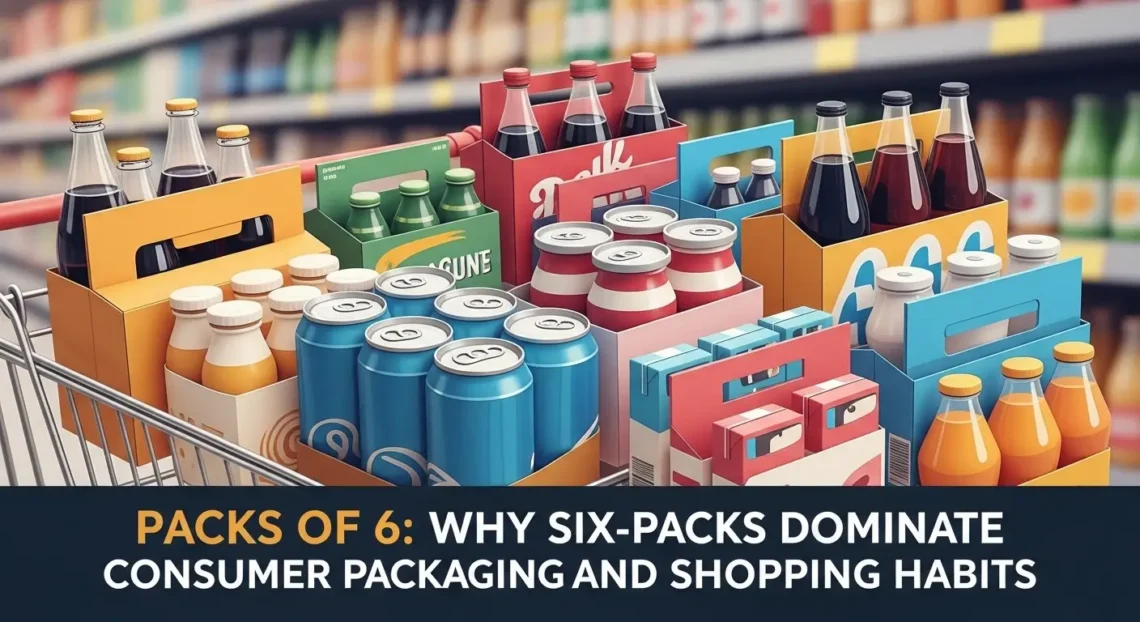
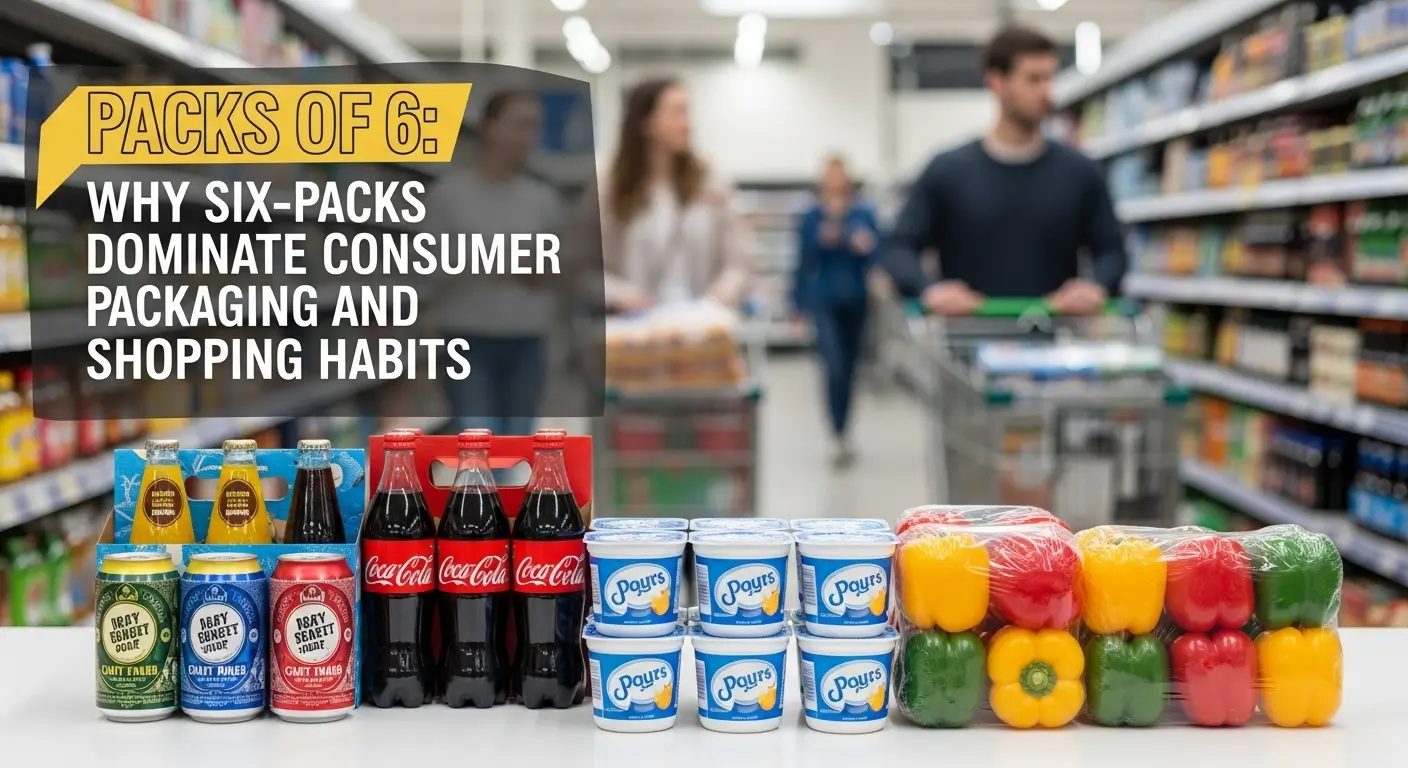
Walk down any supermarket aisle, browse through an online store, or visit your local convenience shop, and you’ll notice something interesting: products sold in packs of 6 are everywhere.
From beverages to socks, from yogurt cups to craft beer, the six-pack format has become deeply embedded in consumer culture.
But have you ever stopped to wonder why? What makes packs of 6 such a popular choice for manufacturers, retailers, and shoppers alike? This article explores the fascinating world of six-pack packaging, examining its history, psychology, practical benefits, and why this particular quantity has stood the test of time.
The History Behind Packs of 6
The Beer Industry’s Lasting Influence
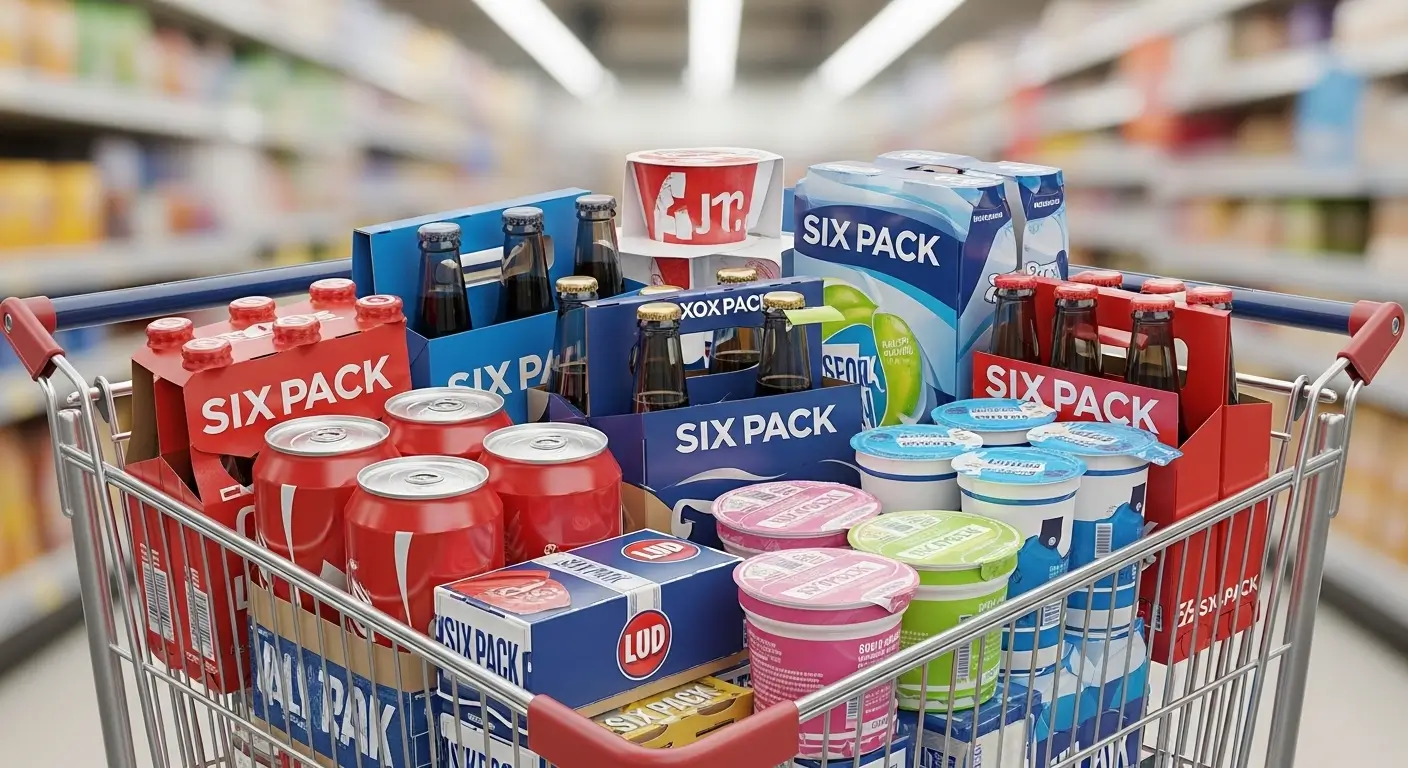
The story of packs of 6 largely begins with the beer industry. In the 1930s, following the end of Prohibition in the United States, breweries faced a challenge: how to package beer for home consumption in a way that was portable, practical, and profitable.
The Richmond, Virginia-based Gottfried Krueger Brewing Company made history in 1935 by introducing the first commercially available canned beer. Shortly after, they began experimenting with multi-pack configurations. The six-pack emerged as the sweet spot for several reasons:
- Light enough for average consumers to carry comfortably
- Provided enough product for a weekend or small gathering
- Fit well in standard refrigerators of that era
- Could be produced economically with existing machinery
- Represented a reasonable investment for budget-conscious buyers
The format caught on rapidly. By the 1940s, packs of 6 had become the standard for beer sales across America and eventually spread globally.
Evolution Across Industries
What started with beer quickly spread to other beverages. Soft drink manufacturers recognized the same benefits and adopted the six-pack format for soda bottles and cans. From there, the concept expanded into completely different product categories:
- Food items – Yogurt cups, pudding containers, canned goods
- Household products – Light bulbs, batteries, cleaning supplies
- Personal care – Soap bars, deodorant, toothpaste
- Clothing basics – Socks, underwear, t-shirts
- Office supplies – Pens, notepads, markers
Today, finding packs of 6 in virtually any retail environment is commonplace, demonstrating the format’s remarkable versatility.
The Psychology of Buying Packs of 6
The Goldilocks Principle in Action
Consumer psychologists have long studied why certain quantities appeal more than others. The six-pack occupies what marketers call the “Goldilocks zone” – not too much, not too little, but just right.
Why six feels right to consumers:
- Perceived value: More economical than buying singles without requiring bulk storage
- Commitment level: Doesn’t feel overwhelming like larger quantities
- Decision simplification: A standard option that reduces choice paralysis
- Mathematical familiarity: Easily divisible (2×3, 3×2) making mental calculations simple
- Cultural conditioning: Decades of exposure have made six feel “normal”
Research in behavioral economics shows that consumers often anchor their expectations around familiar quantities. When you’ve bought beer, soda, or yogurt in packs of 6 for years, this becomes your reference point for evaluating value and making purchasing decisions.
The Fear of Missing Out vs. Waste Aversion
Human psychology involves a delicate balance between two competing fears: running out of something we need and wasting money on excess we won’t use. Packs of 6 thread this needle effectively.
Consider these scenarios:
Singles or two-packs: Risk of running out quickly, requiring more frequent shopping trips
Twelve-packs or larger: Better per-unit pricing, but concerns about freshness, storage space, and potential waste
Six-packs: Provide enough to last a reasonable time without spoilage concerns or excessive storage requirements
For perishable items especially, packs of 6 represent a quantity most households can consume before expiration dates become problematic.
Practical Advantages of Packs of 6
Perfect Portability
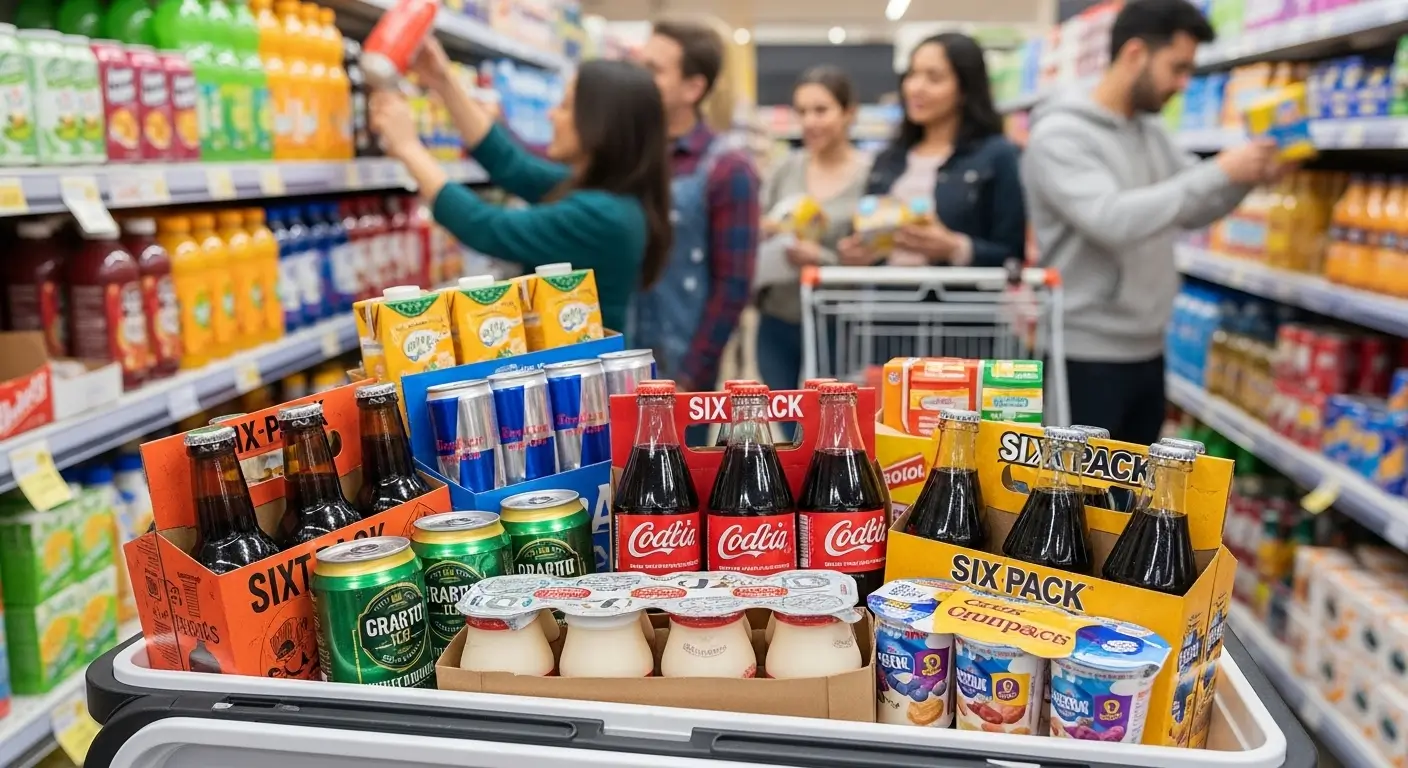
One of the most enduring strengths of packs of 6 is physical manageability. The standard six-pack configuration balances quantity with portability in ways that feel natural for human handling.
Physical considerations:
- Weight distribution: Six beverage cans (about 5-6 pounds) is comfortable for most adults
- Grip design: Traditional cardboard carriers or plastic rings fit well in one hand
- Car transport: Six-packs fit easily in vehicle cup holders, trunks, and passenger seats
- Stair navigation: Not too bulky or heavy for apartment dwellers
- Single-trip efficiency: You can carry multiple six-packs when needed
Manufacturers design packaging with ergonomics in mind. The dimensions of standard packs of 6 have been refined over decades to maximize ease of handling.
Refrigerator and Storage Optimization
The physical footprint of six-packs has actually influenced refrigerator design and vice versa. Standard refrigerator shelving often accommodates six-packs perfectly.
Storage benefits include:
- Fits on standard refrigerator door shelves
- Stacks efficiently in pantries and cabinets
- Occupies reasonable freezer space when applicable
- Works well with standard shopping bag dimensions
- Doesn’t dominate limited storage in small apartments
This mutual adaptation between packaging and storage infrastructure creates a self-reinforcing cycle that keeps packs of 6 relevant.
Economic Factors Driving the Six-Pack Format
Manufacturing and Distribution Efficiency
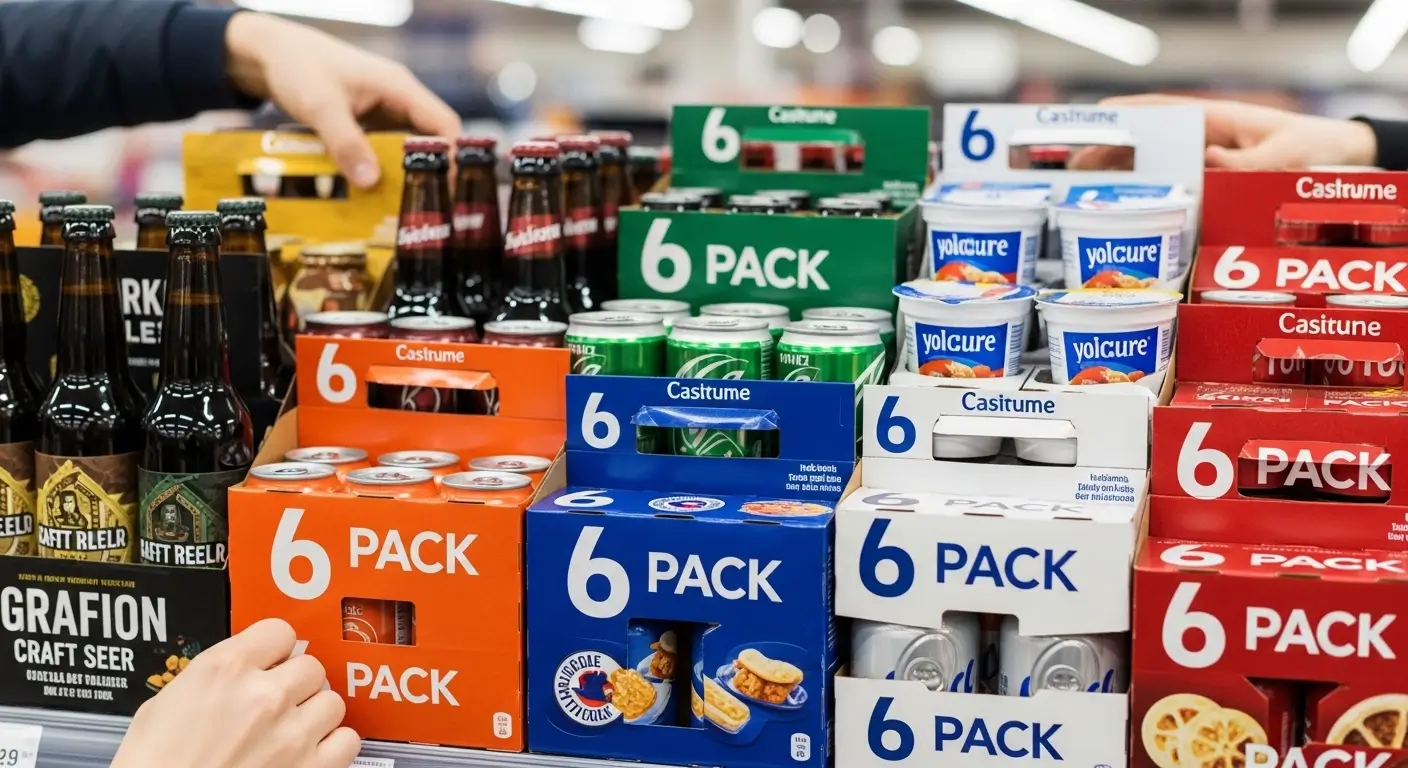
From a producer’s perspective, packs of 6 offer significant operational advantages:
| Factor | Benefit |
|---|---|
| Packaging machinery | Standard equipment easily adapted for a six-unit configuration |
| Shipping pallets | Six-packs optimize pallet space and weight distribution |
| Retail shelf space | Efficient use of premium display areas |
| Inventory management | Easier counting and stock rotation |
| Loss prevention | Smaller packs reduce shrinkage compared to singles |
The beverage industry particularly benefits from standardization. When shipping routes, warehousing, and retail displays all optimize around the same basic unit (packs of 6 or multiples thereof), the entire supply chain becomes more efficient.
Pricing Psychology
Retailers use six-packs strategically in pricing structures. The format allows for multiple pricing tiers:
Budget tier: Generic or store brands in packs of 6 at competitive prices
Standard tier: Name brands in six-packs at moderate pricing
Premium tier: Craft or specialty products in six-packs commanding higher prices
Bulk tier: Larger quantities (12, 18, 24) for value seekers
This range gives consumers choice while maintaining profitability across segments. The six-pack serves as the baseline against which other quantities are judged.
Packs of 6 Across Different Product Categories
Beverages: The Original Six-Pack Territory
Beverage products remain the most iconic use of packs of 6:
Beer: Still dominated by the six-pack format, especially in craft beer where variety and freshness matter. Craft breweries often use six-packs as their standard offering, with four-packs emerging for higher-priced or higher-ABV products.
Soda and soft drinks: Available in various formats, but six-packs remain popular for cans. The 12-ounce can six-pack competes with 2-liter bottles, each serving different consumer needs.
Water and juice: Often sold in larger quantities, but six-packs of premium water or juice boxes cater to specific markets like lunch-packing parents or gym-goers.
Energy drinks: Frequently packaged in packs of 6 for regular consumers who drink them daily but don’t want massive quantities.
Food Products in Six-Pack Format
The versatility of packs of 6 extends throughout grocery stores:
Dairy section:
- Yogurt cups (classic 6-ounce container packs)
- Pudding cups
- Individual cheese portions
- Single-serve milk cartons
Canned goods:
- Soup
- Vegetables
- Fruit
- Beans and legumes
Frozen foods:
- Ice cream sandwiches
- Frozen juice concentrates
- Individual meal portions
The six-unit configuration works particularly well for products consumed regularly but not daily – exactly the consumption pattern for many food items.
Non-Food Applications
Beyond consumables, packs of 6 appear across retail:
Household essentials:
- Light bulbs (though this is changing with long-lasting LED adoption)
- Batteries (AA, AAA often in 6-packs for moderate users)
- Cleaning product refills
- Paper towel or toilet paper rolls
Personal care:
- Soap bars
- Shaving razors
- Deodorant
- Toothbrushes
Apparel basics:
- Sock sets (3 pairs equals 6 individual socks)
- Underwear
- T-shirts
- Baby onesies
These applications demonstrate how the six-pack principle transcends its beverage origins to become a universal packaging solution.
Environmental Considerations
The Sustainability Conversation
As environmental awareness grows, packs of 6 face both criticism and opportunity:
Challenges:
- Individual packaging within multi-packs creates more waste
- Plastic rings from traditional six-pack holders harm marine life
- Transportation of partially-filled packaging is less efficient than bulk
- Smaller packs may lead to more frequent shopping trips (more vehicle emissions)
Improvements:
- Biodegradable cardboard carriers replacing plastic rings
- Recyclable materials increasingly standard
- Concentrated products in six-packs reduce water shipping
- Reusable containers designed for six-unit configurations
Leading brands have responded to criticism. Major beverage companies now use photodegradable materials or cardboard alternatives to traditional plastic rings. Some have eliminated secondary packaging, relying on adhesive to hold cans together.
The Refill Revolution
An interesting development involves refillable packs of 6. Companies are experimenting with:
- Durable six-pack carriers sold once, then used indefinitely
- Deposit systems encouraging return and reuse
- Store-based refill stations where consumers bring their six-pack container
- Subscription models delivering new products in returned six-pack packaging
These innovations maintain the convenient six-unit quantity while reducing environmental impact.
The Premium Six-Pack Phenomenon
Craft Industries Embrace the Format
Craft producers across categories have elevated packs of 6 from utilitarian packaging to premium presentation:
Craft beer: Six-packs with artistic labels and specialized box designs have become collectible. Limited releases often come in decorated six-pack carriers that beer enthusiasts save.
Artisanal beverages: Specialty sodas, kombuchas, and coffee drinks use six-packs to signal quality while maintaining accessible price points.
Gourmet foods: High-end soups, sauces, and preserved goods adopt the six-pack to provide variety without requiring enormous purchases.
The format allows small producers to offer reasonable quantities at premium prices. A $15-20 six-pack feels more accessible than a $30-40 twelve-pack, even if the per-unit cost is similar.
Gift-Giving and Special Occasions
Packs of 6 have found a niche in gifting:
- Craft beer six-packs as hostess gifts
- Specialty soda or juice six-packs for children’s parties
- Gourmet soup six-packs for new parents or sick friends
- Artisan chocolate or candy in six-piece gift boxes
- Luxury soap or bath product sets of six
The quantity is generous without being excessive, making six-packs ideal for casual gift-giving where you want to be thoughtful without overwhelming the recipient.
Shopping Habits and Six-Pack Purchases
How Consumers Actually Buy
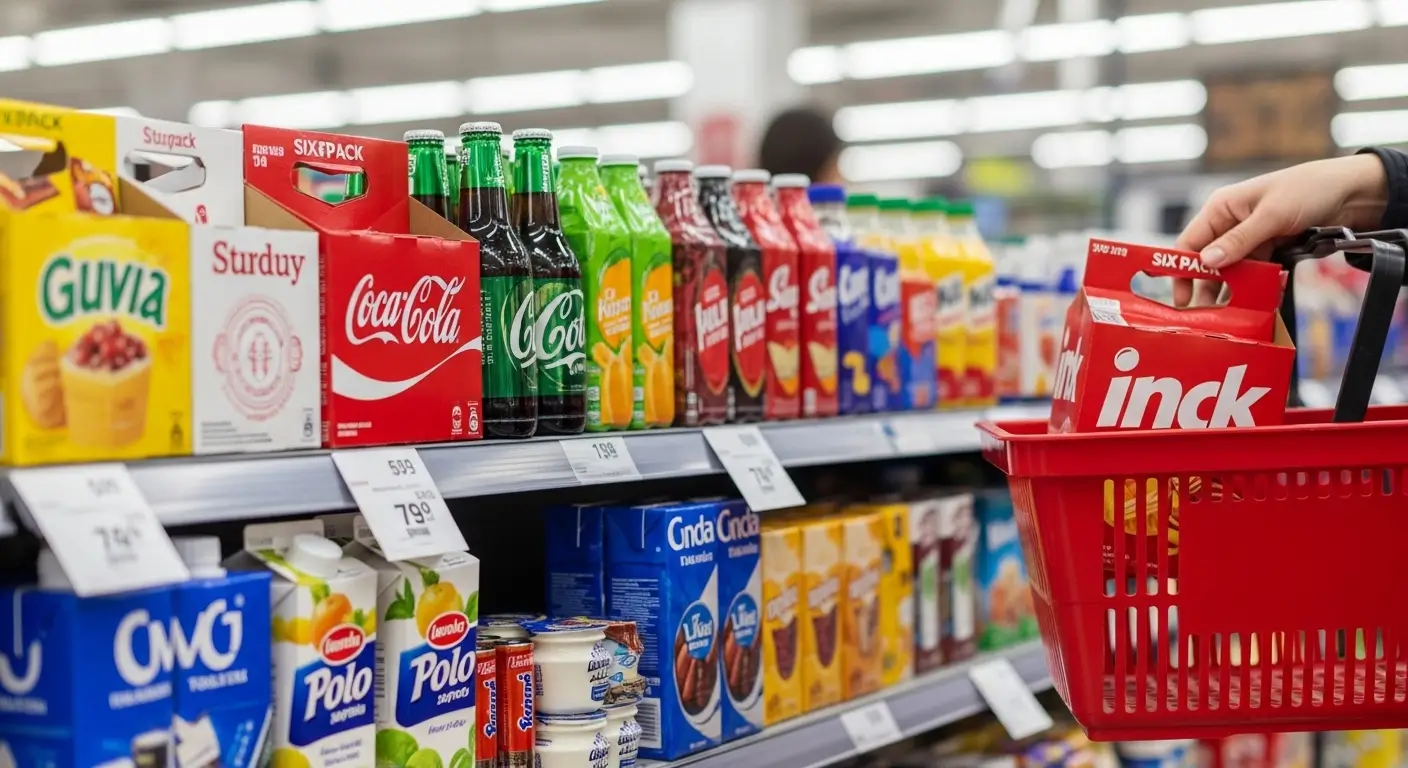
Research on shopping behavior reveals interesting patterns around packs of 6:
Planned purchases: Staple items consumers know they need (beer for the weekend, yogurt for breakfast) often default to six-packs
Impulse purchases: The manageable commitment makes six-packs attractive for trying new products
Stock-up shopping: Some consumers buy multiple six-packs when sales occur, effectively creating their own bulk quantity
Variety seeking: Six-packs allow trying a product without long-term commitment
Retailers strategically place six-packs at eye level on shelves because this format generates strong sales velocity – products that move quickly through the store.
Online vs. In-Store Dynamics
E-commerce has influenced how packs of 6 perform:
Online advantages:
- Easy to add multiple six-packs to cart
- Subscription services often use six-packs as base units
- Weight and dimensions work well for shipping
- Visual presentation clear in product photos
In-store advantages:
- Physical evaluation of packaging quality
- Immediate gratification
- No shipping costs making smaller purchases viable
- End-cap displays highlighting six-pack promotions
Both channels continue supporting the six-pack format, though online purchasing has made acquiring multiple six-packs easier, potentially shifting some consumers toward that middle ground between a single six-pack and bulk quantities.
The Future of Packs of 6
Emerging Trends
Several developments may shape how packs of 6 evolve:
Customization technology: Some retailers are testing systems where consumers build custom six-packs from individual selections (especially popular with craft beer).
Smart packaging: QR codes and NFC chips in six-pack packaging providing product information, recipes, or promotional content.
Flexible quantities: Modular packaging allowing six-packs to connect into larger units or separate as needed.
Sustainability innovations: Completely compostable six-pack materials or elimination of packaging through alternative binding methods.
Will Six Remain the Magic Number?
Despite changes in retail, consumer behavior, and packaging technology, packs of 6 show remarkable staying power. The format’s advantages – portability, storage efficiency, psychological appeal, and supply chain optimization – aren’t easily overcome by alternatives.
That said, we’re seeing more variety:
- Four-packs for premium products
- Eight-packs offering slight bulk savings
- Ten-packs in some international markets
- Three-packs for trial sizes
Yet none have displaced the six-pack from its dominant position. The format has had nearly 90 years to become embedded in infrastructure, consumer expectations, and cultural norms. That kind of entrenchment doesn’t disappear quickly.
Conclusion
Packs of 6 represent far more than arbitrary packaging. They embody a rare alignment of human psychology, practical utility, economic efficiency, and historical precedent. From their origins in the beer industry to applications across countless product categories, six-packs have proven remarkably adaptable.
Whether you’re buying beverages for a weekend barbecue, stocking up on yogurt for weekday breakfasts, purchasing light bulbs for your home, or gifting craft beer to a friend, chances are you’ll encounter packs of 6. The format just makes sense – enough to be worthwhile, not so much it’s burdensome.