
Introduction
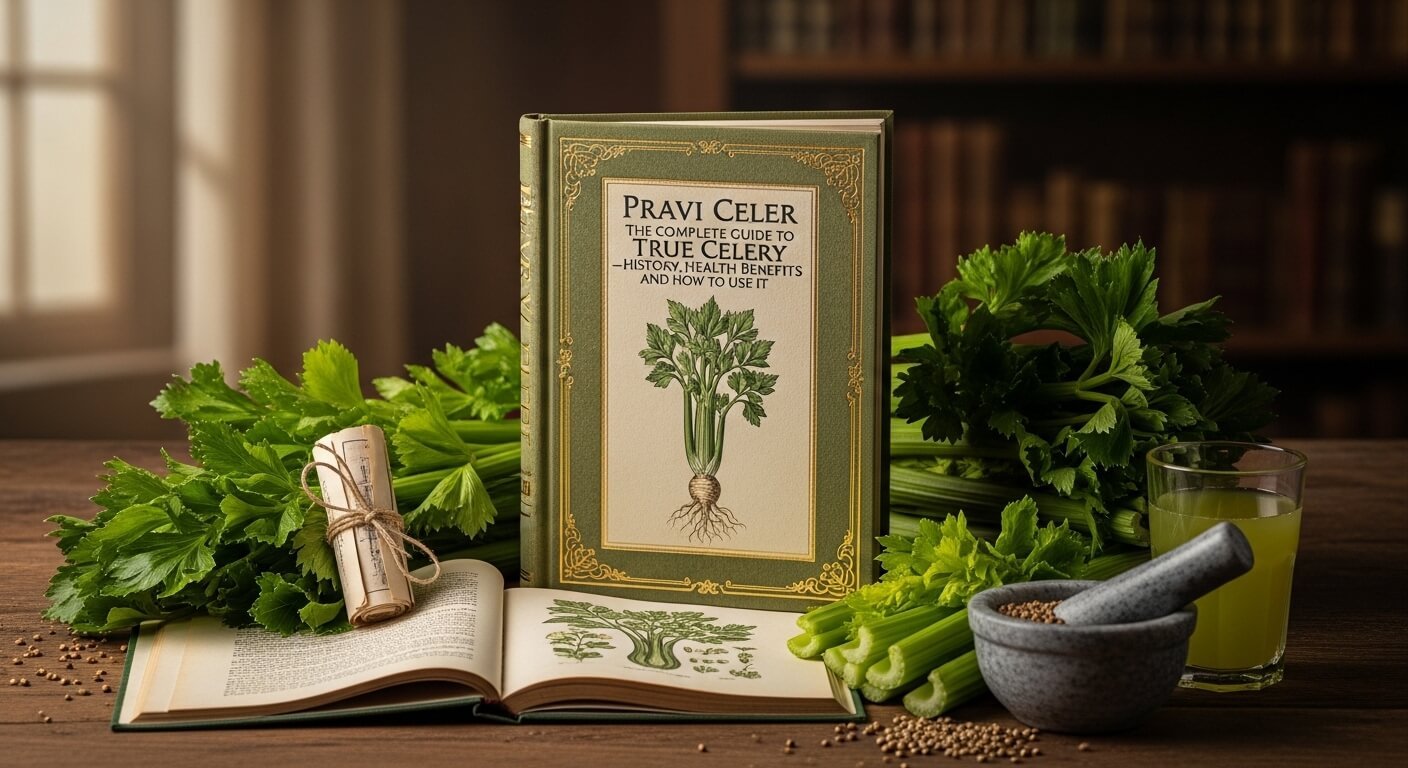
If you’ve been curious about the term pravi celer, you’re in good company. More and more people across Europe and beyond are searching for it — and what they discover is a story that’s equal parts culinary tradition, nutritional science, and a return to the kind of honest, whole-food eating that modern diets have slowly drifted away from.
Pravi celer simply means “true celery” or “real celery” in South Slavic languages — Serbian, Croatian, and Bosnian. But there’s far more substance behind that simple translation than you might expect. This guide covers everything: what pravi celer actually is, where it comes from, why people are rediscovering it, its impressive health benefits, how to cook with it, and how to grow your own if you’re so inclined.
By the time you finish reading, you’ll understand exactly why this humble vegetable has been a kitchen staple across the Balkans and Central Europe for centuries — and why it deserves a permanent place in your kitchen too.
What Is Pravi Celer?
Pravi celer translates directly to “true celery” or “real celery” in Bosnian and Serbian. In English, it is most commonly called celeriac, celery root, or knob celery.
But the term carries a broader meaning too. Unlike the celery sticks found in most grocery stores, pravi celer refers to the authentic, whole form of celery — stalks, leaves, and root — appreciated for centuries across Europe, especially in Slavic traditions. The “pravi” in the name is a deliberate distinction — a way of saying that this is celery as it was meant to be used: the complete plant, nothing trimmed away, nothing treated or stripped of its natural character.
While you might think all celery is the same, there’s a world of difference between the pale, watery stalks you find in most grocery stores and the robust, flavorful pravi celer that’s been cultivated using traditional methods. What makes pravi celer special? For starters, it’s grown organically, without the chemical interventions that strip away nutrients and flavor. Traditional growers use the entire plant — crisp stalks, aromatic leaves, and that knobby root called celeriac — each part bringing its own unique taste and nutritional benefits to the table.
So when someone says pravi celer, they’re talking about celery the way it existed before commercial agriculture simplified and standardized it into a neat bundle of pale green stalks. It’s a philosophy as much as a vegetable.
A History Rooted in Thousands of Years
The story of pravi celer stretches back much further than most people realize.
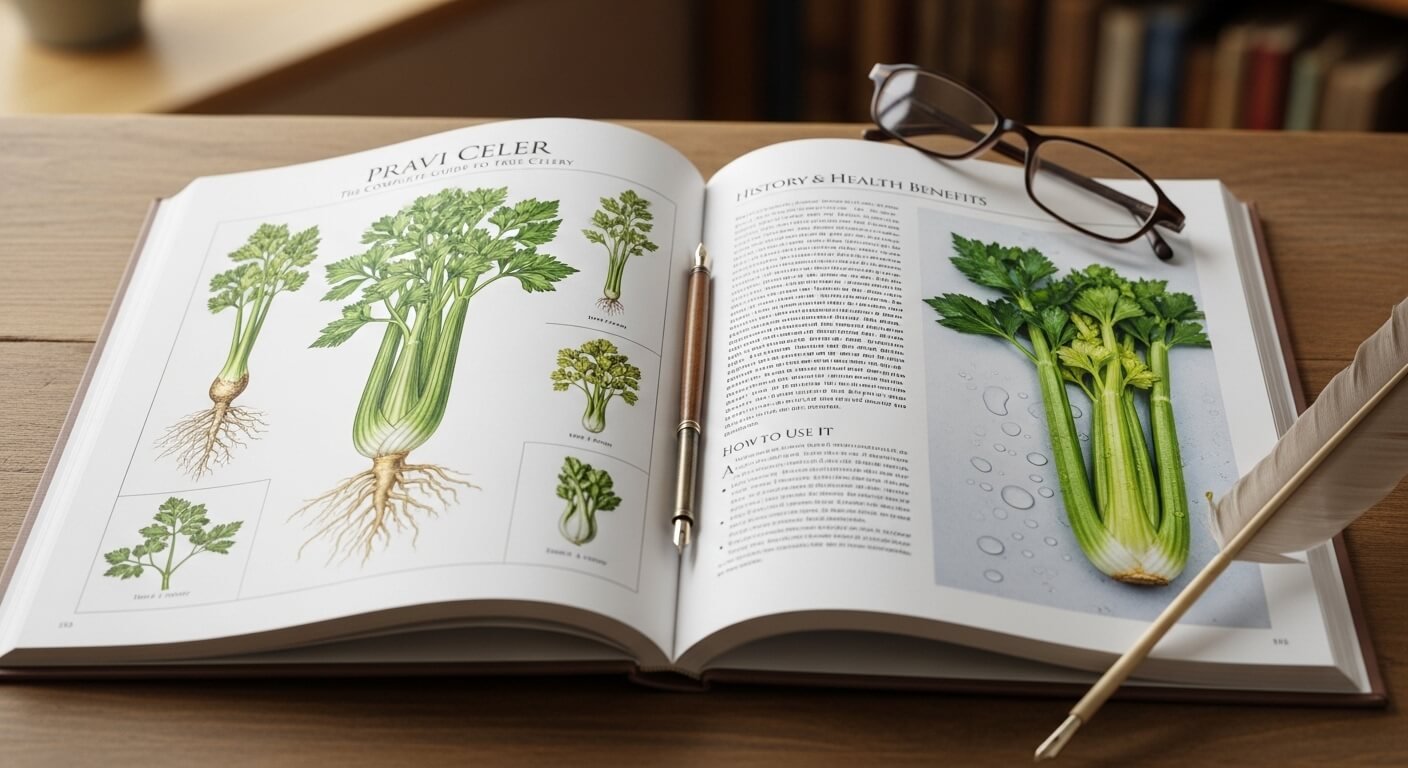
Pravi celer has deep roots in history. Ancient people in the Mediterranean used it first. Egyptians placed celery in tombs for the afterlife. Greeks crowned winners with celery wreaths at games. The name comes from Ancient Greek “selinon.” It spread to Latin, then to French “céleri.” By the 17th century, English called it “celery.” Cultivation started around 850 BC in Italy. Charlemagne promoted it in Europe during the 8th century. Today, China leads production with over 20 million tons yearly.
That’s a remarkable lineage for a vegetable that most people today use mainly as a soup base or a low-calorie snack.
As trade routes expanded, celery made its way across Europe and Asia. But nowhere did it find a more welcoming home than in the Balkans. Walk through any traditional Croatian, Serbian, or Bosnian kitchen, and you’ll likely find pravi celer playing a starring role in family recipes passed down through generations.
The Balkan relationship with pravi celer is particularly deep. Across generations of home cooking in the region, the whole plant — root, stalk, and leaf — has been used to season soups, build stews, and add complexity to braised dishes. Nothing goes to waste. That traditional whole-plant approach is exactly what the term pravi celer celebrates.
Pravi Celer vs. Commercial Celery: What’s the Difference?
This is a question that comes up often, and it’s worth answering clearly.
Many people wonder if pravi celer is a separate type of vegetable. The simple answer is no. Pravi celer is the same plant known globally as celery. Scientifically, celery is called Apium graveolens. The difference lies in how it is used and understood, not in biology. In many modern markets, celery is trimmed, packaged, and sometimes treated for longer shelf life. Pravi celer refers to celery used in its original form, often grown locally and used fresh. This includes leaves and roots that are sometimes ignored in modern cooking.
Put simply: the plant is the same. The difference is in approach. Commercial celery is optimized for shelf life, uniformity, and easy packaging. The outer leaves — often the most flavorful parts — are stripped away. The root is rarely included. What remains is a pale, standardized product that bears a family resemblance to pravi celer but lacks its full depth of flavor and nutrition.
Pravi celer insists on using all of it. The aromatic leaves that make soups sing. The fibrous, nutty root becomes luxuriously creamy when cooked. The stalks that provide crunch and hydration. This whole-plant philosophy is what makes Pravi Celer distinctly itself.
The Nutritional Profile of Pravi Celer
One of the most compelling reasons to incorporate pravi celer into your regular diet is its nutritional density relative to its caloric content.
Pravi celer is not just a flavorful ingredient — it is a genuinely nutritious vegetable that earns its place in a health-conscious diet. A 100-gram serving of raw celeriac contains roughly 42 calories, making it a low-energy, high-nutrient food.
That’s an exceptional ratio. For 42 calories, here’s what you’re getting:
- Vitamin K — Critical for blood clotting and bone mineralization; a single serving can provide a significant portion of the daily requirement
- Vitamin C — A potent antioxidant supporting immune function, collagen synthesis, and iron absorption
- Vitamin B6 — Essential for brain health, protein metabolism, and neurotransmitter production including serotonin and dopamine
- Potassium — Supports healthy blood pressure and proper muscle and nerve function
- Phosphorus — Essential for bone and tooth health, as well as energy metabolism
- Dietary fiber — Promotes healthy digestion, feeds beneficial gut bacteria, and helps regulate blood sugar levels
The standout feature of pravi celer is its 95% water content, which makes it one of the most hydrating vegetables. This property alone makes it especially useful in hot climates or for individuals needing to maintain hydration naturally. Unlike processed snacks or refined foods, it delivers nutrition without adding empty calories.
Health Benefits of Pravi Celer
The nutritional numbers above translate into a set of real, practical health benefits that traditional cultures intuited long before modern science confirmed them.
Digestive Health
The combination of water and fiber in pravi celer helps move food through the digestive tract. Fiber absorbs water and softens stool, which can prevent constipation and promote regular bowel movements. In practice, snacking on celery sticks or adding chopped celery to salads and stews provides gentle bulk to the diet.
The fiber in pravi celer also acts as a prebiotic — feeding the beneficial bacteria in your gut that play a central role in immune function, mood regulation, and metabolic health.
Cardiovascular Support
The vegetable contains phthalides, natural compounds that relax blood vessel walls, improving blood flow and reducing pressure. Studies suggest that regular consumption of celery-based foods may support healthier blood pressure levels and circulation.
A 2013 study showed celery extract reduces pressure in rats. Antioxidants in celery also protect your heart. Vitamin K aids clotting. Combined with potassium’s role in blood pressure regulation, pravi celer offers meaningful cardiovascular support through multiple mechanisms.
Anti-Inflammatory Properties
Pravi celer delivers powerful phytonutrients that together support digestion, reduce inflammation, and bolster cardiovascular health. Modern science confirms many traditional claims: celery’s bioactive compounds (like apigenin and phthalides) act as antioxidants, anti-inflammatories, and mild blood-pressure regulators.
Chronic inflammation is the underlying driver of many modern diseases — arthritis, heart disease, type 2 diabetes, and more. Foods rich in anti-inflammatory compounds like pravi celer are a meaningful tool in managing this risk over the long term.
Natural Detox Support
Pravi celer has long been praised as a natural detox food. Thanks to its high water content and mild diuretic effect, it helps the body flush out toxins and maintain kidney health. Its alkaline nature also helps balance overly acidic diets, which are often linked to fatigue, inflammation, and digestive upset.
Weight Management
If you’re thinking about losing weight the healthy way, Pravi Celer is a smart food to include. It’s very low in calories — mostly made of water and fiber — so you feel full without overeating. Celery helps you snack without guilt. It also helps your body digest food better, and the fiber supports a happy stomach.
The combination of high water content, significant fiber, and very low calorie density makes pravi celer one of the most diet-friendly vegetables available. You can eat a satisfying quantity of it without meaningfully impacting your calorie intake.
Pravi Celer in the Kitchen: How to Cook With It
One of the most practical things about pravi celer is how versatile it is. Every part of the plant has a role to play, and the flavor it adds — that characteristic earthy, herbaceous celery depth — is almost impossible to replicate with anything else.
Using the Stalks
The stalks are the most familiar part and the most immediately usable:
- Raw in salads — Chopped fine or sliced, they add crunch and a mild, fresh flavor
- As a snack — With hummus, peanut butter, or a yogurt-based dip, celery stalks are a satisfying low-calorie option
- As a soup and stew base — Sautéed with onions and carrots, pravi celer stalks form the aromatic foundation of soups, stews, and sauces across Balkan, Italian, and French cuisines
- In smoothies and juices — Blended with apple, cucumber, and ginger, celery juice has developed a passionate following for its hydrating and nutritional properties
Using the Leaves
Leaves add flavor to dishes. You can store celery correctly to reduce waste. Keeping it fresh allows you to use the entire plant over time. This practice reflects the traditional idea behind pravi celer, where nothing is wasted.
The leaves are intensely aromatic — stronger than the stalks — and work beautifully as an herb-like garnish, stirred into soups at the end of cooking, or dried and crumbled as a seasoning.
Using the Root (Celeriac)
Pravi celer has an earthy, nutty flavor with a mild sweetness and a more intense, complex celery aroma than stalk celery. When cooked, it becomes subtly creamy with parsley-like herbal notes.
The root can be:
- Roasted — Cubed and roasted in olive oil until golden, celeriac develops a nutty, caramelized flavor that pairs beautifully with roasted meats
- Puréed — Cooked celeriac blended with a little cream or butter makes a sophisticated alternative to mashed potato
- Added to soups and stews — Diced root adds body and earthy depth to any slow-cooked dish
- Eaten raw, grated — In the French classic céleri rémoulade, raw grated celeriac is dressed with mustard mayonnaise — a dish that rewards the root’s crunch and flavor intensity
Traditional Balkan Uses
Soups and stews are where Pravi Celer truly shines. Its strong aroma infuses broths with depth, while its root adds earthy richness. In colder regions, hearty stews featuring its root became comfort food during long winters. Traditional recipes often combine it with carrots, potatoes, and parsley to form the flavorful foundation of nourishing dishes. In many families, no soup feels complete without at least a handful of chopped celery leaves or stalks simmered into the pot.
This tradition is alive and well in Serbian, Croatian, and Bosnian kitchens today. Whether it’s a slow-cooked beef paprikaš, a simple vegetable broth, or a braised chicken dish, pravi celer is almost always present — often invisible to the untrained eye but immediately missed if left out.
How to Select and Store Pravi Celer
Getting the best from pravi celer starts with choosing and storing it correctly.
Selecting
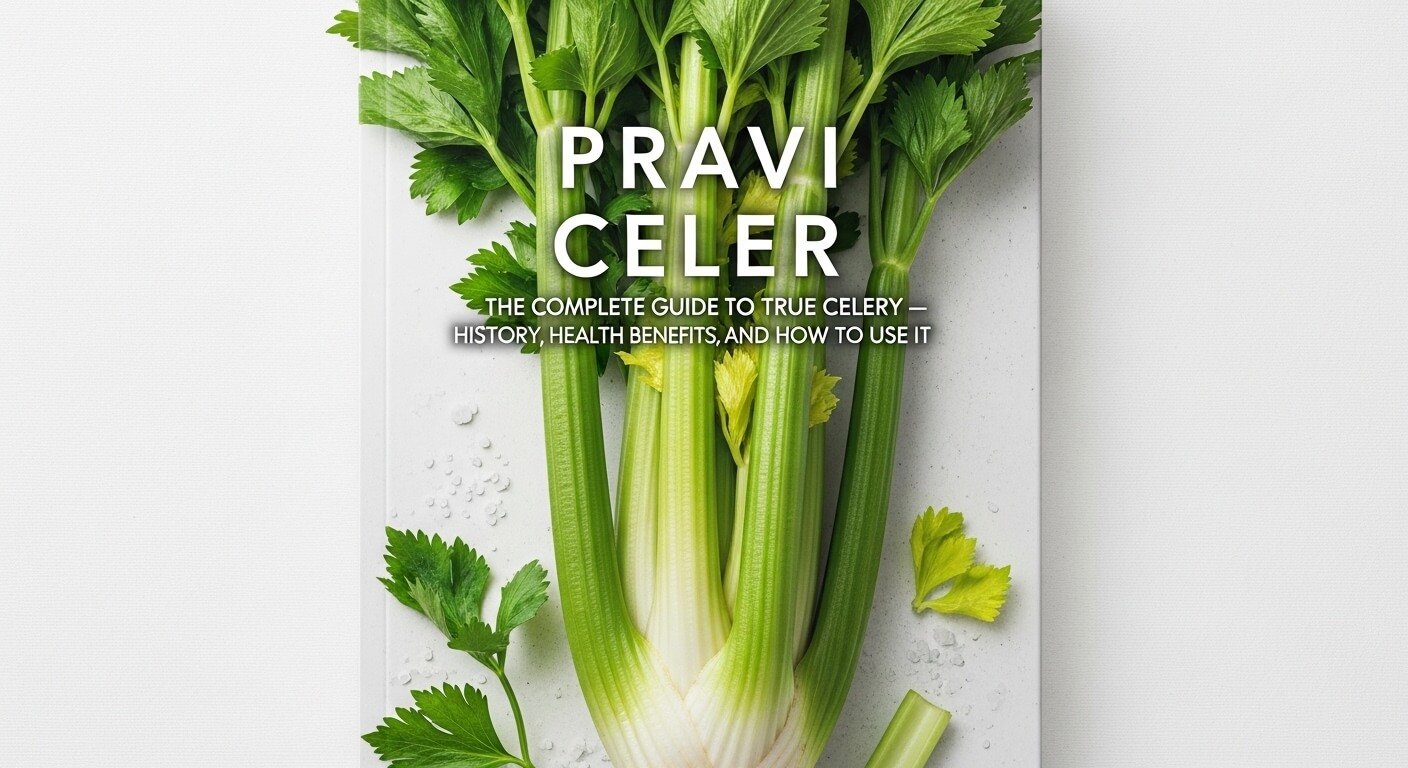
Choose roots that feel heavy for their size — density indicates freshness and high water content. The exterior should be firm with no soft, spongy spots or visible mold. If the stalks and leaves are still attached, they should look vibrant and green rather than wilted or yellowed. A fresh pravi celer will have a clean, strong celery aroma; avoid any that smell musty or fermented. Smaller to medium-sized roots (roughly 10–12 cm in diameter) tend to be less fibrous and more flavorful than very large ones.
For stalks, look for firm, upright stalks that snap cleanly rather than bending. Pale, rubbery stalks are a sign of age.
Storing
- Whole, unwashed root — Store in a cool, dark place or the bottom of the refrigerator for up to 2–3 weeks
- Cut root — Wrap tightly in plastic or place in an airtight container; use within 3–4 days
- Stalks — Wrap in a damp cloth or paper towel and refrigerate; they’ll stay crisp for up to a week
- Leaves — Use quickly (they wilt fast) or dry them for longer-term use as a seasoning
Growing Pravi Celer at Home
If you want the most authentic pravi celer experience, growing your own is remarkably rewarding — and not as difficult as it might seem.
To grow pravi celer at home, start with well-drained soil enriched with organic matter. Choose a sunny spot where the plant can receive 6–8 hours of sunlight daily. Space seedlings about 12 inches apart to allow for proper growth and airflow. Water regularly but avoid waterlogging, as this can lead to root rot. Mulching helps retain moisture and suppresses weeds.
A few additional growing tips:
- Start seeds indoors 10–12 weeks before the last frost, as Pravi Celer has a long growing season
- Transplant when seedlings are established, and nighttime temperatures are consistently above 10°C
- Blanch the stalks by hilling soil around them or wrapping them loosely — this reduces bitterness and produces that characteristic pale-green color
- Harvest in autumn when the root has reached a good size, but before heavy frost
Heirloom and traditional seed varieties will give you the most flavorful pravi celer — look for them at specialty seed suppliers or local farmers’ markets.
Why Pravi Celer Is Having a Moment Right Now
As modern diets become more processed, many people want to return to natural eating habits. Pravi celer is often linked with ideas of purity, authenticity, and whole food nutrition. Its growing popularity shows that many people want healthier and more meaningful food choices.
This isn’t a food trend manufactured by marketing. It’s a genuine cultural reconnection with traditional knowledge that was briefly overshadowed by the convenience of modern food systems. People are tired of food that has been stripped of character. They want ingredients that taste like something — that carry the memory of the soil they grew in.
What excites many food watchers most is seeing young chefs and home cooks embracing pravi celer in creative ways. It’s not just about health anymore — it’s about flavor, authenticity, and connecting with food traditions that were almost lost.
In that sense, pravi celer is less about a vegetable and more about a value: the belief that food should be real, whole, and worth paying attention to.
Final Thoughts
Pravi celer is proof that the most enduring foods are often the simplest ones. A vegetable that ancient Greeks considered sacred, that Balkan grandmothers built their soups around, and that modern nutrition science is confirming to be genuinely valuable for health — it has earned its reputation across thousands of years of human experience.
Whether you encounter it as a gnarled root at a farmers’ market, a bunch of fragrant stalks with leafy tops still attached, or a warm bowl of soup whose depth comes from something you can’t quite identify — that’s pravi celer. Real. Whole. Exactly as it should be.
Add it to your shopping list. Try it in your kitchen. You might find that one of the best things you can do for your health and your cooking is growing in the ground all along, waiting for you to rediscover it.