Introduction
In the digital advertising ecosystem, understanding network performance and analytics has become crucial for publishers and advertisers alike. The Qevafaginz network report represents an important tool for tracking, analyzing, and optimizing advertising campaigns across various platforms. This guide will walk you through everything you need to know about these reports and how to leverage them effectively.
What Is a Qevafaginz Network Report?
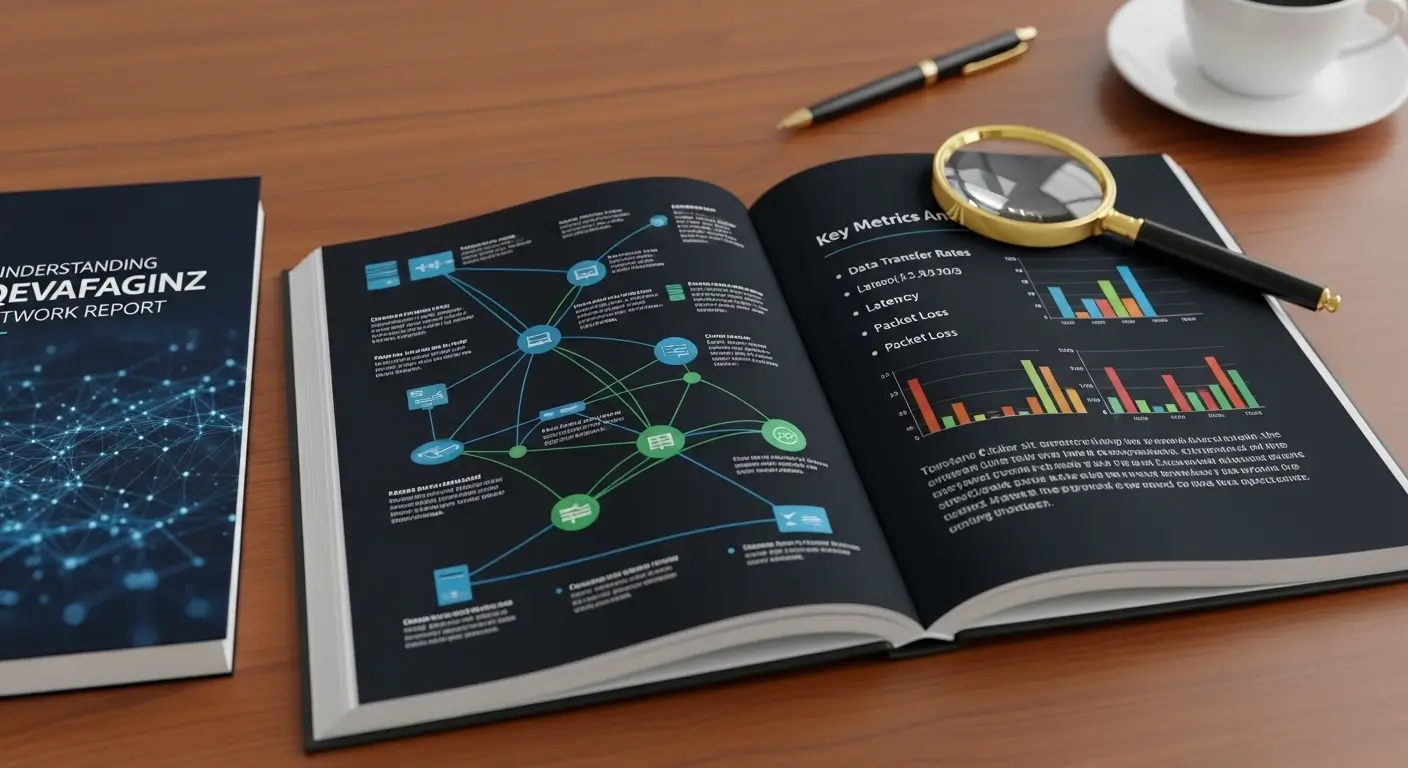
A Qevafaginz network report provides detailed insights into advertising network performance, traffic quality, and revenue metrics. These reports compile data from multiple sources to give publishers and advertisers a clear picture of how their campaigns perform across different channels and platforms.
Core Components
The typical network report includes several essential elements:
Performance Metrics:
- Impressions delivered
- Click-through rates (CTR)
- Conversion tracking
- Revenue generated
- Cost per acquisition (CPA)
- Return on investment (ROI)
Traffic Analysis:
- Geographic distribution
- Device breakdown
- Browser statistics
- Time-based patterns
- User engagement levels
Quality Indicators:
- Invalid traffic detection
- Bot activity monitoring
- Fraud prevention metrics
- User authenticity scores
Why Network Reports Matter
Understanding your network performance through comprehensive reporting offers numerous advantages.
Revenue Optimization
Publishers can identify which traffic sources generate the highest revenue. By analyzing the qevafaginz network report, you can:
- Discover top-performing ad placements
- Identify underperforming inventory
- Adjust pricing strategies
- Optimize ad formats
- Make data-driven decisions about partnerships
Campaign Performance Tracking
Advertisers benefit from detailed visibility into:
- Which networks deliver quality traffic
- Where budget allocation works best
- Real-time campaign adjustments
- Long-term trend analysis
- Competitive positioning
Fraud Detection and Prevention
Network reports play a vital role in maintaining advertising integrity:
- Identifying suspicious traffic patterns
- Detecting bot activity early
- Preventing revenue loss
- Protecting brand reputation
- Ensuring compliance with industry standards
Key Metrics in Network Reports

Let’s explore the most important metrics you’ll encounter.
Impression Data
Impressions represent how many times your ads appear to users. The qevafaginz network report breaks this down into:
Total Impressions:
- Raw number of ad displays
- Unique versus repeat views
- Viewability percentages
- Above-the-fold placement rates
Quality Impressions:
- Human-verified views
- Valid traffic only
- Engaged user impressions
- Brand-safe environments
Click-Through Metrics
Understanding click behavior provides valuable insights:
Click-Through Rate (CTR):
- Industry benchmarks typically range from 0.5% to 2%
- Higher CTR indicates relevant targeting
- Lower CTR may suggest creative issues
- Platform-specific variations matter
Click Quality:
- Intentional versus accidental clicks
- Time spent after clicking
- Post-click engagement
- Conversion correlation
Revenue Analytics
The financial performance section reveals:
Earnings Breakdown:
- Total revenue by period
- Revenue per thousand impressions (RPM)
- Earnings per click (EPC)
- Net versus gross revenue
- Payment processing details
Trend Analysis:
- Daily, weekly, and monthly comparisons
- Seasonal patterns
- Growth trajectories
- Anomaly identification
How to Access Your Network Report
Different platforms provide various methods for accessing reports.
Dashboard Access
Most advertising networks offer web-based dashboards:
- Log in to your account portal
- Navigate to the reporting section
- Select your desired date range
- Choose specific metrics to display
- Generate the report
Automated Reporting
Many platforms support automated delivery:
Email Reports:
- Schedule daily, weekly, or monthly reports
- Customize recipient lists
- Include specific metrics
- Attach detailed CSV files
API Integration:
- Pull data programmatically
- Integrate with analytics platforms
- Create custom dashboards
- Automate data processing
Mobile Applications
Modern networks increasingly offer mobile access:
- Real-time performance monitoring
- Push notifications for important events
- Quick metric overviews
- Essential controls on the go
Interpreting Your Report Data
Raw numbers only matter when properly understood and contextualized.
Establishing Baselines
Before analyzing performance, establish your baseline metrics:
Historical Averages:
- Calculate your typical CTR
- Determine normal impression volumes
- Identify standard revenue ranges
- Note seasonal fluctuations
Industry Benchmarks:
- Compare against sector averages
- Consider your specific niche
- Account for platform differences
- Factor in geographic variations
Identifying Trends
The qevafaginz network report reveals patterns through:
Positive Indicators:
- Steadily increasing impressions
- Improving click-through rates
- Rising revenue per impression
- Growing audience engagement
- Decreasing invalid traffic percentages
Warning Signs:
- Sudden traffic spikes (possible fraud)
- Declining engagement rates
- Revenue drops without traffic changes
- Unusual geographic shifts
- Abnormal time-of-day patterns
Comparative Analysis
Effective reporting includes comparisons across:
Time Periods:
- Week over week
- Month over month
- Year over year
- Quarter over quarter
Traffic Sources:
- Organic versus paid
- Direct versus referral
- Mobile versus desktop
- Geographic regions
Ad Formats:
- Display ads
- Video advertisements
- Native content
- Interactive units
Common Issues Found in Network Reports

Understanding typical problems helps you respond quickly.
Traffic Quality Concerns
Invalid Traffic Patterns:
The qevafaginz network report may reveal:
- Unusually high traffic from specific sources
- Repetitive click patterns suggesting bots
- Geographic mismatches with content
- Suspicious device distributions
- Abnormal session durations
Resolution Steps:
- Block identified fraudulent sources
- Implement stricter filtering
- Contact network support
- Monitor affected channels closely
- Document incidents for reference
Revenue Discrepancies
Sometimes reports show unexpected financial variations:
Common Causes:
- Currency exchange fluctuations
- Delayed reporting from partners
- Adjustment periods
- Seasonal advertiser demand
- Platform policy changes
Verification Process:
- Cross-reference multiple reports
- Contact account managers
- Review payment histories
- Check for announced changes
- Compare with third-party tracking
Data Collection Gaps
Missing or incomplete data can occur due to:
- Technical integration issues
- Tracking code problems
- Server downtime
- Platform maintenance
- Privacy settings blocking
Optimizing Based on Report Insights
Data becomes valuable when you act on it.
Traffic Source Optimization
Use report insights to:
Enhance Performing Sources:
- Increase budgets for top performers
- Negotiate better rates
- Expand similar channels
- Replicate successful strategies
Minimize Poor Performers:
- Reduce or eliminate low-quality sources
- Renegotiate terms
- Test improvements before cutting
- Document learnings
Ad Placement Strategies
The qevafaginz network report guides placement decisions:
High-Performance Locations:
- Increase visibility of top placements
- Test similar positions
- Optimize surrounding content
- Adjust pricing strategically
Underperforming Areas:
- Redesign creative elements
- Change ad formats
- Test different targeting
- Consider removal
Timing Optimization
Temporal data reveals important patterns:
Peak Performance Periods:
- Schedule important campaigns accordingly
- Adjust budgets for high-traffic times
- Prepare inventory in advance
- Maximize revenue opportunities
Low Activity Times:
- Test new approaches with lower risk
- Perform maintenance
- Run experimental campaigns
- Prepare for upcoming peaks
Advanced Reporting Features
Modern platforms offer sophisticated capabilities.
Custom Metrics and Dimensions
Create reports tailored to your needs:
Custom Calculations:
- Specific ROI formulas
- Unique conversion tracking
- Blended metrics
- Weighted averages
Segmentation Options:
- Multiple dimension combinations
- Advanced filtering
- Custom groupings
- Hierarchical views
Visualization Tools
Transform data into actionable insights:
Chart Types:
- Line graphs for trends
- Pie charts for distributions
- Bar charts for comparisons
- Heat maps for complex patterns
Dashboard Customization:
- Arrange widgets your way
- Save favorite views
- Share with team members
- Export for presentations
Predictive Analytics
Some advanced platforms include:
Forecasting Features:
- Revenue projections
- Traffic predictions
- Seasonal adjustments
- Growth modeling
Anomaly Detection:
- Automatic alerts for unusual patterns
- Machine learning-based insights
- Proactive problem identification
- Opportunity highlighting
Best Practices for Report Management
Maximize the value of your qevafaginz network report with these strategies.
Regular Review Schedule
Consistency matters in performance monitoring:
Daily Checks:
- Quick dashboard review
- Major metric verification
- Urgent issue identification
- Real-time optimization opportunities
Weekly Deep Dives:
- Comprehensive performance analysis
- Trend identification
- Strategic adjustments
- Documentation of changes
Monthly Reviews:
- Complete performance evaluation
- Goal progress assessment
- Strategic planning
- Stakeholder reporting
Documentation and Records
Maintain organized historical data:
Report Archives:
- Save monthly summaries
- Document significant events
- Track policy changes
- Record optimization efforts
Performance Logs:
- Note successful experiments
- Document failed attempts
- Track seasonal patterns
- Build institutional knowledge
Collaboration and Sharing
Reports become more valuable when shared appropriately:
Internal Sharing:
- Provide relevant data to team members
- Create role-specific views
- Schedule automated distributions
- Facilitate data-driven discussions
External Communication:
- Share appropriate metrics with partners
- Provide transparency to advertisers
- Support business development
- Build trust through openness
Privacy and Compliance Considerations
Modern reporting must respect user privacy.
Data Protection Regulations
The Qevafaginz network report should comply with:
Major Frameworks:
- GDPR in the European Union
- CCPA in California
- LGPD in Brazil
- Other regional requirements
Compliance Features:
- User consent tracking
- Data anonymization
- Right to deletion
- Transparent data usage
Ethical Data Usage
Beyond legal requirements, consider:
- User expectations and trust
- Industry best practices
- Long-term sustainability
- Corporate responsibility
Troubleshooting Common Report Issues
When problems arise, systematic troubleshooting helps.
Data Discrepancies
Investigation Steps:
- Verify time zone settings across platforms
- Check for delayed reporting
- Confirm tracking code implementation
- Review filtering settings
- Contact platform support if needed
Access Problems
Resolution Methods:
- Reset login credentials
- Clear browser cache
- Try different browsers
- Check account permissions
- Verify account status
Export Failures
Solutions to Try:
- Reduce date range
- Limit included metrics
- Try different file formats
- Check available storage
- Use alternative export methods
Future of Network Reporting
The reporting landscape continues evolving.
Emerging Trends
Artificial Intelligence Integration:
- Automated insights
- Predictive recommendations
- Natural language queries
- Smart optimization
Real-Time Processing:
- Instant data availability
- Live campaign adjustments
- Immediate fraud detection
- Dynamic optimization
Enhanced Visualization:
- Interactive dashboards
- Virtual reality presentations
- Augmented analytics
- Mobile-first interfaces
Conclusion
The qevafaginz network report serves as an essential tool for anyone involved in digital advertising. Whether you’re a publisher maximizing revenue or an advertiser optimizing campaigns, understanding and effectively using these reports can dramatically improve your results.
By regularly reviewing your reports, understanding the metrics that matter, and taking action based on insights, you position yourself for sustained success. Remember that reporting is not just about collecting data—it’s about transforming information into strategic decisions that drive growth.
Start by familiarizing yourself with your report’s basic features, gradually explore advanced capabilities, and always maintain a focus on actionable insights. With practice and attention to detail, network reporting becomes a powerful advantage in the competitive digital advertising landscape.