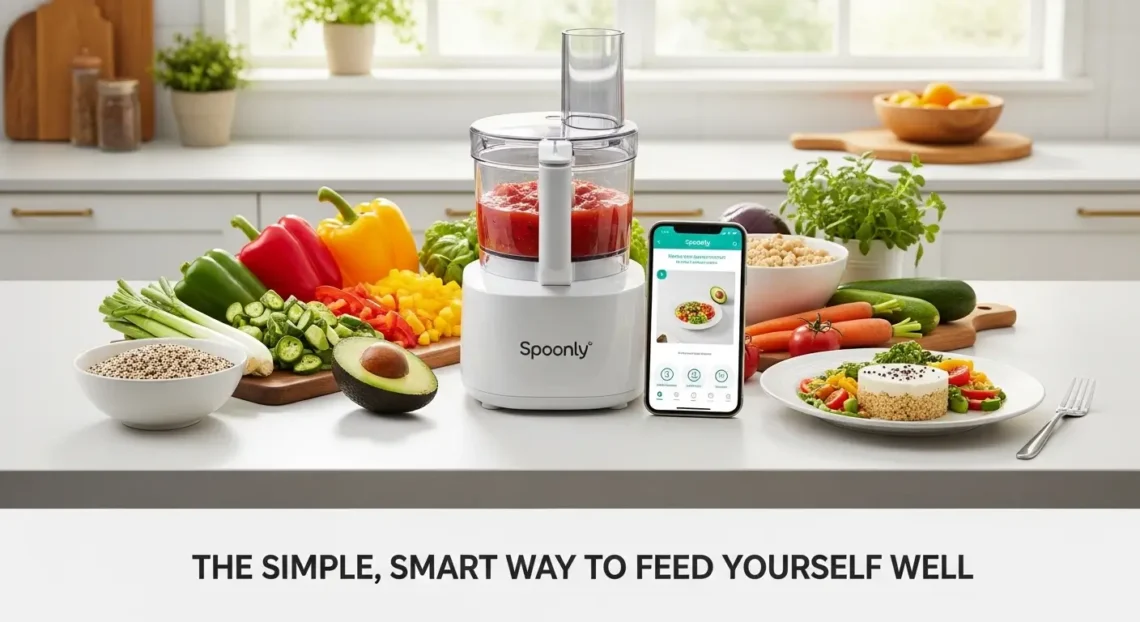
Introduction
Let’s be honest. In our busy lives, eating well often feels like a chore. You stare into the fridge, see random ingredients, and have no idea how to turn them into a proper meal. You end up ordering takeout—again—or eating another sad desk sandwich. It’s expensive, unhealthy, and honestly, a bit boring.
What if there was a helper? Not a demanding chef, but a friendly guide in your kitchen. A tool that could look at what you have, consider what you like, and whisper a perfect, simple recipe in your ear. That’s the promise of Spoonly.
If you’ve ever typed “what can I make with chicken breast and broccoli” into a search bar and gotten a million complicated results, you’ll understand why Spoonly was created. This article is your complete guide to what Spoonly is, how it works, and why it might just be the kitchen companion you didn’t know you needed.
What Is Spoonly? Your Personal Recipe Finder
At its heart, Spoonly is a digital platform designed to solve one very common problem: meal inspiration based on what you already have. Think of it as a cross between a smart cookbook and a helpful friend who’s great at cooking.
The core idea of Spoonly is beautifully simple. You tell it what ingredients are in your pantry, fridge, or freezer. You can also tell it about any dietary needs or preferences you have. Then, Spoonly works its magic, searching through a vast database to find recipes that match your exact situation. It’s not about giving you a rigid weekly plan to shop for; it’s about being flexible and creative with the resources you already have on hand.
This approach tackles food waste head-on. The average American household throws away nearly 32% of the food it buys, according to recent USDA estimates. A tool like Spoonly empowers you to use up that half-bag of spinach, that lone sweet potato, or that can of beans sitting in the back of the cupboard before they go bad.
How Does Spoonly Actually Work? A Step-by-Step Walkthrough
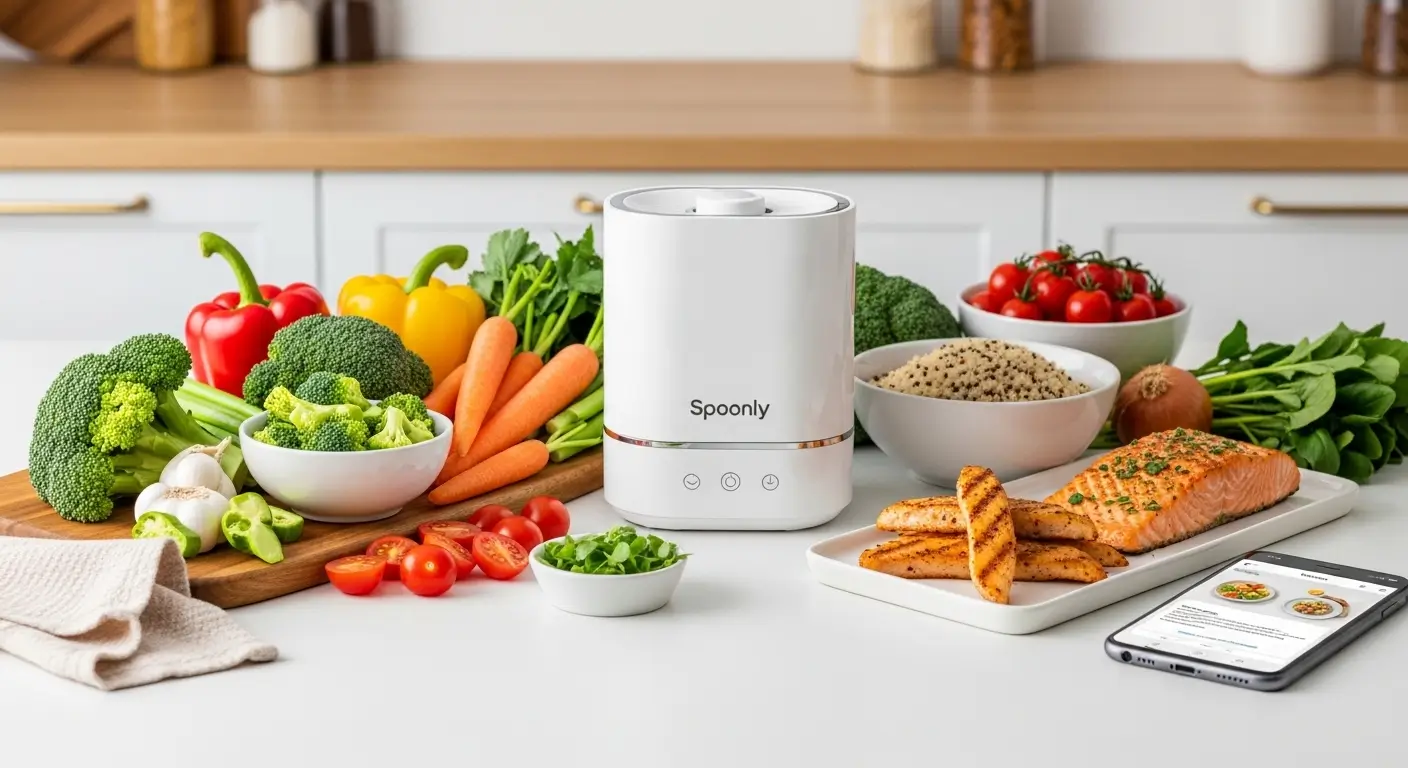
Using Spoonly is meant to be intuitive and fast. Here’s how a typical user might experience it.
Step 1: The Ingredient Input
This is where you tell Spoonly what you’re working with. Most platforms like this offer a few easy ways:
- Manual Typing: You simply start typing ingredients—“chicken,” “onion,” “rice,” “cumin”—into a search bar. Spoon will usually suggest completions to make it faster.
- Pantry Scanning: Some advanced versions might allow you to save a “virtual pantry.” You periodically update it with your staples, and Spoonly always knows your baseline ingredients.
- Exclusion is Key: Crucially, you can also list items you don’t have or don’t like. No cilantro? Allergic to shellfish? Spoonly filters those recipes out.
Step 2: Setting Your Preferences
Here’s where Spoonly gets personal. You can filter recipes by:
- Dietary Needs: Vegan, vegetarian, gluten-free, keto, dairy-free, etc.
- Meal Type: Are you looking for breakfast, lunch, dinner, or just a snack?
- Cooking Time: Got only 20 minutes? Set a maximum time limit, and Spoonly will only show you quick and easy options.
- Difficulty Level: Feeling like a beginner or ready for a challenge? You can choose.
Step 3: Discovering Your Recipe
With your ingredients and preferences set, Spoonly presents you with a list of matching recipes. A good Spoonly-style platform will rank these by relevance—showing you recipes that use the most of your listed ingredients first. You’ll see a photo, a title, the total time, and a glance at the nutrition or tags.
Step 4: The Recipe Experience
Click on a recipe that looks good. A well-designed Spoonly interface will give you:
- A clear, easy-to-follow ingredient list (with your items highlighted).
- Simple, numbered instructions.
- User ratings and comments.
- A “Cook Mode” that might keep your screen on and walk you through steps hands-free.
The Real Benefits: Why You Might Love Using Spoonly
So, why would someone choose Spoonly over just Googling a recipe? The benefits are practical and psychological.
- It Fights Decision Fatigue.
After a long day, choosing what to eat is mental work. Spoonly removes the “what” question. You’re not browsing thousands of recipes; you’re being shown a curated shortlist tailored to you. This reduces stress and gets you to dinner faster. - It Saves Money and Reduces Waste.
By prioritizing the use of existing ingredients, Spoonly helps you stretch your grocery budget. You shop for specific missing items for a recipe, rather than doing a full, often-impulsive shop. This directly tackles the food waste problem, making your kitchen more sustainable. - It Encourages Culinary Creativity.
Spoonful often introduces you to recipes and flavor combinations you wouldn’t have considered. That can of chickpeas you bought for hummus might become a crispy topping for a salad or the base for a vegetarian curry. It helps you break out of your cooking rut. - It’s a Learning Tool for New Cooks.
For beginners, a traditional cookbook can be intimidating. Simply starts where you are—with your ingredients. It builds confidence by proving you can make a real meal with what seems like “nothing.” It teaches you how ingredients work together. - It Simplifies Meal Planning (The Flexible Way).
Instead of planning a rigid week of meals on Sunday, you can use Spoonly for a more fluid, “just-in-time” style of planning. Check what’s about to go bad, pop it into Spoonly, and plan tonight’s dinner around that. It’s a less pressured approach to organized cooking.
Spoonly in Action: A Real-World Example
Let’s make this concrete. Imagine it’s Wednesday night. Your fridge has:
- 2 chicken breasts
- A half-used bag of baby spinach
- A few mushrooms
- Some feta cheese
- A lemon
You’re tired, you’re hungry, and you don’t want to get takeout. You open Spoonly.
You enter your ingredients: chicken, spinach, mushrooms, feta cheese, and lemon.
You set filters: “Dinner,” “Under 30 minutes,” “Easy.”
Spongy might suggest:
- A One-Pan Lemon Herb Chicken with Spinach and Mushrooms: A direct, simple use of all your ingredients.
- A Creamy Chicken and Mushroom Skillet: It notes you have most ingredients and would just need some broth or cream.
- A Simple Spinach and Feta Stuffed Chicken Breast: A slightly fancier option that uses your core items.
You choose the one-pan recipe. The instructions are clear, the cook time is accurate, and 25 minutes later, you’re eating a healthy, homemade meal that used up your leftover produce. That’s the Spoonly win.
Potential Limitations and Things to Keep in Mind
No tool is perfect, and it’s good to approach Spoonly with realistic expectations.
- The “Missing Ingredient” Problem: Sometimes, the perfect recipe will require one or two items you don’t have. A good Spoonly platform should let you filter by “recipes I can make right now” vs. “recipes requiring 1-2 extra items.”
- Recipe Quality Varies: Since many platforms aggregate recipes from many sources, the quality and clarity of instructions can differ. User ratings and reviews within Spoonly are essential for picking the good ones.
- It’s a Guide, Not a Chef: Spoonly won’t chop your onions or adjust the heat for you. It provides the blueprint, but your own taste and judgment are still the most important ingredients. Feel free to adapt!
- The Pantry Management Hurdle: For the “virtual pantry” feature to work well, you have to remember to update it. This requires a bit of habit-building.
Tips for Getting the Most Out of Spoonly
If you decide to try a Spoonly-style app or website, these tips will enhance your experience:
- Be Specific with Ingredients: “Chicken breast” is better than just “chicken.” “Fresh basil” is different from “dried basil.” The more precise you are, the better your matches.
- Use the “Exclude” Function Religiously: If you hate raisins or are allergic to peanuts, make sure they’re on your exclusion list. This saves you from the disappointment of finding a perfect recipe that’s ruined by one ingredient.
- Start Broad, Then Narrow Down: On your first search, just use your 3-5 main ingredients. See what comes up. Then, if you have too many options, filter by time or diet.
- Engage with the Community: If the platform has ratings or comments, use them. Read tips from other cooks who tried the recipe—they often have helpful shortcuts or substitutions.
- Let It Inspire Your Shopping: Use Spoonly before you go to the store. Find a couple of recipes you’re excited about, then build your shopping list around them. This is a more intentional way to shop than just wandering the aisles.
The Bigger Picture: Spoonly and the Future of Home Cooking
Platforms like Spoonly represent a shift in how we think about cooking at home. They move away from the rigid, chef-centric model and towards a more adaptive, user-centric one. They acknowledge that modern cooking isn’t always about following a masterpiece recipe from start to finish; it’s often about solving a daily logistics problem with creativity and efficiency.
In a world saturated with complex cooking shows and intimidating gourmet images, Spoonly serves as a democratizing force. It says, “You have enough. You can do this.” It supports the home cook’s goal of getting a tasty, nutritious meal on the table without unnecessary hassle or waste.
Conclusion
Ultimately, Spoonly isn’t a magic solution. It won’t do the cooking for you. But it is a powerful tool that can remove the biggest barrier to cooking: the initial “what should I make?” block.
If you find yourself:
- Staring blankly into your fridge,
- Throwing away too much spoiled food,
- Stuck in a cycle of cooking the same five meals,
- Or feeling like cooking is always a complicated project,
Then a Spoonly-style platform is absolutely worth exploring. It’s for the busy parent, the new graduate in their first apartment, the person trying to eat healthier, or anyone who just wants a little more help and a little less stress in the kitchen.
It turns cooking from a question into an answer. And in the daily rhythm of life, that’s a small change that can make a very big difference. Give it a try—you might be surprised at the delicious possibilities already hiding in your cupboard.