Introduction
Healthcare scheduling has come a long way from the days of paper sign-up sheets and endless phone calls trying to swap shifts. For employees at UPMC facilities, managing work schedules has become significantly easier thanks to digital solutions designed specifically for the demanding healthcare environment.
One such tool that has transformed how thousands of healthcare workers handle their shifts is UPMC Shift Select.
Whether you’re a nurse, medical technician, support staff member, or any employee at a UPMC facility, understanding how this scheduling system works can help you take control of your work-life balance, pick up extra hours when you need them, and communicate with your team more effectively.
This guide walks you through everything you need to know about UPMC Shift Select, from basic functionality to advanced tips that can make your work life much smoother.
What Exactly Is UPMC Shift Select?
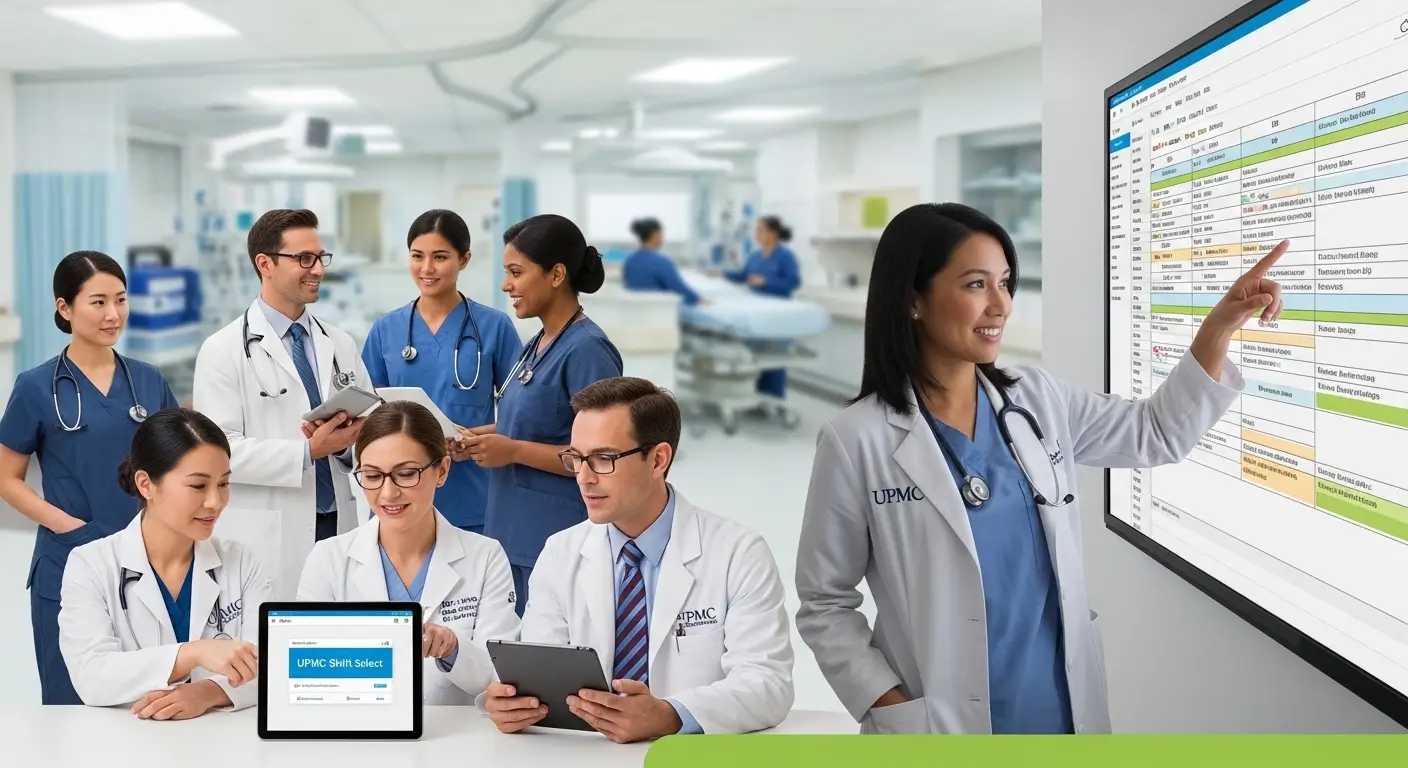
UPMC Shift Select is an online scheduling platform that allows employees to view, request, and manage their work schedules. It serves as a central hub where staff members can see available shifts, swap with coworkers, request time off, and communicate scheduling needs to their supervisors.
The system was implemented to streamline what used to be a cumbersome process involving paper schedules, phone trees, and manual swap requests.
The platform connects directly with UPMC’s internal staffing systems, ensuring that all schedule changes are immediately reflected across the organization. This means when you pick up an open shift or trade with a colleague, the information updates in real-time, eliminating the confusion that often accompanies traditional scheduling methods.
Healthcare facilities operate around the clock, which means scheduling complexity increases exponentially compared to standard nine-to-five workplaces. Nurses need coverage for every shift, support staff must be available when patients need them, and administrators must balance staffing levels with budget constraints.
UPMC Shift Select addresses these challenges by giving employees more autonomy while maintaining the oversight that managers need to ensure adequate coverage at all times.
Getting Started with UPMC Shift Select
Creating Your Account
The first step to using UPMC Shift Select is ensuring you have proper access credentials. Most employees receive their login information during onboarding, but if you’re new to the system, you’ll need to set up your account through UPMC’s internal portal. You’ll typically need your employee ID and a valid UPMC email address to complete the registration process.
Once you log in for the first time, take some time to explore the interface. The dashboard usually displays your current schedule, any pending requests, and available shifts that you might be interested in picking up. Familiarizing yourself with these sections early on will save you time when you need to make schedule changes quickly.
Navigating the Main Features
The platform offers several key features that every employee should understand:
- Schedule Viewing: You can see your assigned shifts weeks or even months in advance, helping you plan personal activities around your work commitments.
- Shift Requests: Need a specific day off? Submit a request through the system and track its status.
- Open Shifts: Browse available shifts at your facility or other UPMC locations that need coverage.
- Shift Swaps: Trade shifts with coworkers who have the appropriate qualifications.
- Time-Off Requests: Request vacation, personal days, or other leave directly through the platform.
Understanding these features before you actually need them makes a significant difference. When an emergency arises or your circumstances change, you’ll know exactly where to go to make the necessary adjustments.
How to Request Time Off Through UPMC Shift Select
Requesting time off should be straightforward, and UPMC Shift Select makes this process relatively painless. Here’s how to navigate it effectively.
First, log in to the system and navigate to the time-off request section. You’ll need to specify the dates you’re requesting, the type of leave you’re using, and provide any necessary details. The system will then route your request to the appropriate manager for approval.
It’s worth noting that different types of leave may have different approval processes. For example, vacation requests might follow a different workflow than personal days or sick leave. The system typically handles these distinctions automatically, but it’s helpful to understand that not all requests are approved instantly.
Best practices for requesting time off include:
- Submit requests well in advance of your desired dates
- Check the schedule for conflicts before submitting
- Provide clear reasons for your request when appropriate
- Monitor your request status and follow up if needed
- Be flexible with dates when possible to increase approval chances
Many employees find that submitting requests during slower periods at the facility increases their approval chances, as managers have more flexibility to accommodate time off when staffing levels are typically higher.
Picking Up Open Shifts
One of the most valuable features of UPMC Shift Select is the ability to pick up additional shifts. This functionality benefits both employees who want extra income and facilities that need to fill staffing gaps.
Finding Available Shifts
The open shifts section displays all unfilled positions that need coverage. You can filter these by date, shift time, department, and location. This flexibility allows you to find shifts that fit your availability and preferences.
When browsing available shifts, pay attention to any qualifications or requirements noted. Some shifts might require specific certifications, training, or experience in certain departments. The system typically highlights these requirements clearly, but it’s your responsibility to ensure you’re qualified before accepting a shift.
The Approval Process
Once you find a shift you’d like to pick up, submitting your interest is usually just a click away. However, your manager typically needs to approve shift pickups to ensure proper staffing and qualifications. The approval process varies depending on department policies and current staffing levels.
Some facilities allow direct shift pickups with automatic approval, while others require manager review for each request. Understanding your facility’s specific policy helps set realistic expectations about how quickly you can confirm additional shifts.
Tips for successfully picking up shifts:
- Check the system frequently, as desirable shifts go quickly
- Be flexible with dates and times when possible
- Ensure your certifications and qualifications are current
- Respond promptly to any manager communications about the shift
- Consider working at different UPMC locations for more opportunities
Managing Shift Swaps
Swapping shifts with coworkers is another essential feature that UPMC Shift Select facilitates. Whether you need coverage for a personal commitment or want to trade a less desirable shift for something better, the swap function makes this process organized and transparent.
Initiating a Swap
To initiate a shift swap, both you and the coworker you’re trading with must agree to the exchange. The system guides you through creating a swap request, where you identify the shift you’re giving up and the shift you’re requesting in return.
Both employees must have the appropriate qualifications for each other’s positions. The system checks these requirements automatically, but final approval still rests with management to ensure patient care and operational needs are met.
Considerations Before Swapping
Before entering into a shift swap agreement, there are several factors to consider:
- Qualification Match: Make sure both parties can competently handle the responsibilities of the swapped shift
- Manager Approval: All swaps require supervisory approval before becoming official
- Notification: Ensure your manager is aware of any significant schedule changes
- Documentation: Keep records of approved swaps in case questions arise later
Some employees establish informal agreements with coworkers before entering the official swap request, which can help ensure both parties are committed to the exchange. However, always complete the formal process through UPMC Shift Select to ensure proper documentation and approval.
Benefits for Healthcare Workers
The implementation of UPMC Shift Select has brought several tangible benefits to employees across the organization.
Greater Control Over Schedules
Perhaps the most significant advantage is the increased autonomy employees have over their schedules. Rather than waiting for managers to assign shifts or relying on word-of-mouth about available changes, staff members can actively manage their own scheduling needs through a centralized platform.
This control extends beyond simply requesting days off. Employees can strategically pick up shifts at locations closer to home, select shifts that work better with their personal schedules, and find coverage for unexpected life events more easily than under traditional scheduling systems.
Improved Work-Life Balance
Healthcare jobs are demanding, and burnout is a real concern across the industry. UPMC Shift Select helps combat this by making it easier for employees to achieve a better balance between their professional and personal lives.
When family obligations arise, finding coverage becomes simpler. When you need extra income, available shifts are easy to find. When you need a break from certain shifts, opportunities to trade exist. This flexibility can significantly reduce the stress that comes with rigid scheduling.
Financial Opportunities
For employees looking to earn additional income, the open shift marketplace within UPMC Shift Select provides opportunities to pick up extra hours. Many healthcare workers use this feature to increase their earnings during financial needs or to build more hours for benefits eligibility.
The transparency of the system means you can see exactly what shifts are available and plan accordingly. Rather than hoping shifts become available or asking around informally, you have direct access to opportunities across the organization.
Benefits for UPMC as an Organization
While employees enjoy significant advantages, UPMC Shift Select also provides substantial benefits to the organization itself.
Improved Staffing Efficiency
One of the biggest challenges in healthcare management is ensuring adequate staffing at all times. Previously, managers spent considerable time calling staff to find coverage for open shifts. UPMC Shift Select automates much of this process, allowing the system to match available staff with open positions quickly and efficiently.
The platform’s visibility into staffing needs across all departments helps administrators make informed decisions about resource allocation. They can identify patterns in shift coverage needs and proactively address potential shortfalls before they become problems.
Reduced Administrative Burden
Scheduling involves numerous moving parts, and the administrative work required to manage it all can be substantial. By digitizing the process, UPMC Shift Select reduces the paperwork and manual tracking that previously consumed significant staff time.
Managers can approve or deny requests, view staffing reports, and communicate with employees all through one platform. This consolidation saves time and reduces the likelihood of scheduling errors that can disrupt patient care.
Employee Satisfaction and Retention
Happy employees tend to stay longer, and scheduling flexibility contributes significantly to job satisfaction. By giving employees more control over their schedules, UPMC likely experiences lower turnover rates and higher employee engagement.
The healthcare industry faces ongoing staffing challenges, and retention strategies like improved scheduling systems can help organizations maintain the skilled workforce they need to serve patients effectively.
Common Challenges and How to Address Them
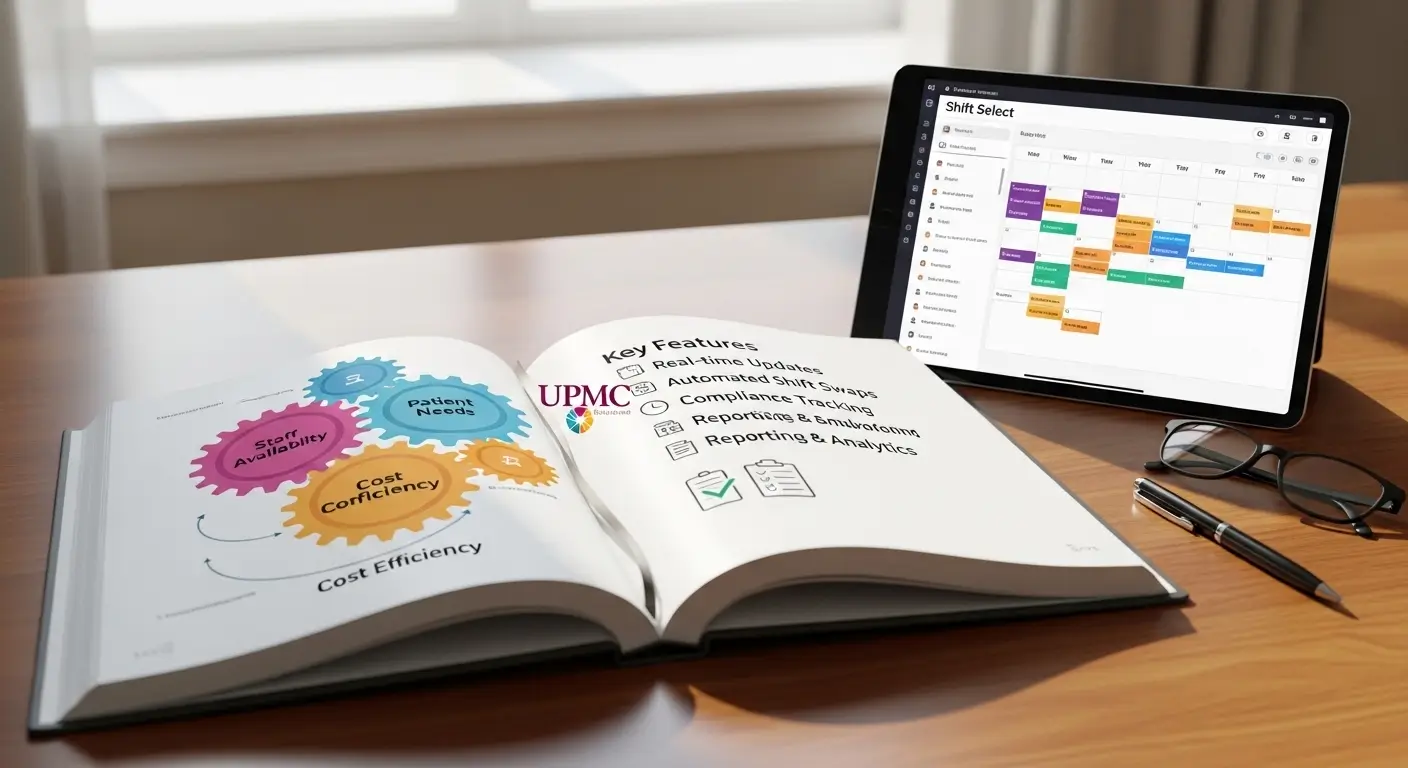
While UPMC Shift Select offers many advantages, users sometimes encounter challenges. Understanding these issues and knowing how to address them makes the system more useful.
Technical Difficulties
Like any digital platform, technical issues occasionally arise. If you experience problems logging in or using specific features, several resources are available:
- The system’s help section often contains solutions to common problems
- Your facility’s IT support can assist with login or access issues
- Your manager can provide workarounds while technical issues are resolved
- The mobile app sometimes works better than the web version if you’re experiencing browser issues
Approval Delays
Sometimes requests take longer to approve than you’d like. This can happen during busy periods, when managers are unavailable, or when additional review is needed. To minimize delays:
- Submit requests as early as possible
- Follow up politely if you haven’t received a response within a reasonable timeframe
- Provide all required information with your request to avoid back-and-forth
- Understand that some requests require additional approval chains
Understanding Policy Variations
Not all departments use UPMC Shift Select in the same way. Some might have additional requirements, different approval processes, or specific rules about shift trading. When in doubt, check with your direct supervisor about your department’s specific policies.
Tips for Maximizing UPMC Shift Select
Getting the most out of any system requires understanding its nuances. Here are some strategies that experienced users employ:
Stay proactive about checking the system. New shifts become available at various times, and checking regularly increases your chances of finding desirable opportunities.
Keep your availability updated. Many platforms allow you to set preferences or indicate when you’re generally available. Updating this information helps the system show you relevant opportunities.
Build relationships with coworkers. While the system handles the formal aspects of shift swaps, having good relationships with colleagues makes the informal negotiations easier.
Learn the approval timelines. Understanding how long approval typically takes helps you plan accordingly and submit requests with appropriate lead time.
Use all device options. Whether you prefer the computer at work, your smartphone on the go, or the tablet at home, accessing UPMC Shift Select through different devices ensures you can manage your schedule from anywhere.
The Future of Healthcare Scheduling
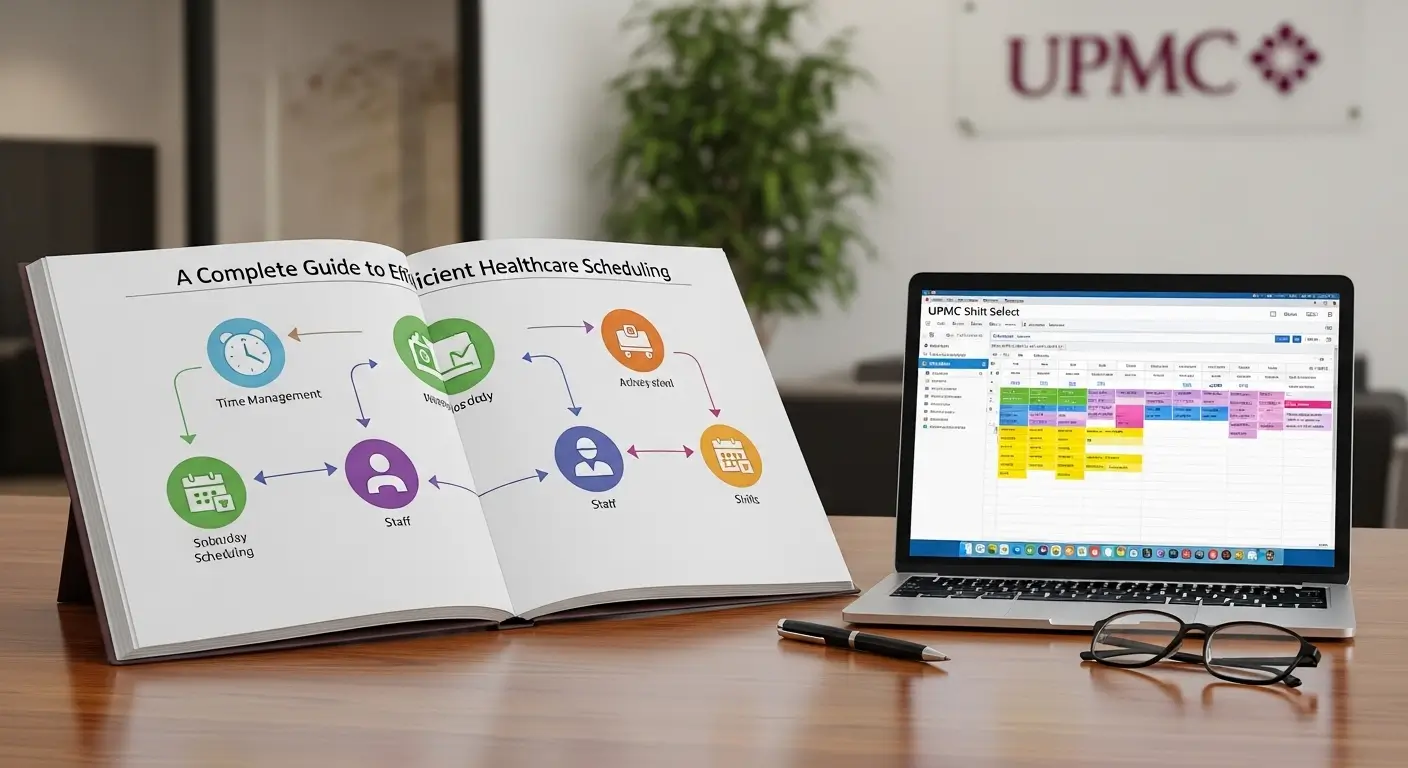
Healthcare scheduling continues to evolve, and systems like UPMC Shift Select represent significant progress from traditional methods. Looking ahead, we can expect further refinements that make scheduling even more intuitive and flexible.
Mobile functionality continues to improve, making it easier to manage schedules on the go. Integration with other HR systems streamlines information sharing. Advanced algorithms might help predict staffing needs and suggest optimal scheduling patterns.
For healthcare workers, these advances mean continued improvements in work-life balance, easier access to income opportunities, and more control over their professional lives. UPMC’s investment in such systems reflects the organization’s commitment to both employee satisfaction and operational excellence.
Making the Most of Your Scheduling Tools
UPMC Shift Select is more than just a scheduling platform—it’s a tool that empowers you to take an active role in managing your work life. By understanding its features, following best practices, and communicating effectively with your team, you can use this system to create a schedule that supports your personal and professional goals.
Remember that the system exists to serve both your needs and the organization’s need for reliable staffing. Using it responsibly, being truthful about your availability, and honoring your commitments all contribute to a positive experience for everyone involved.
Final Thoughts
For those who use it effectively, the answer is often yes. UPMC Shift Select transforms the schedule from a source of stress into a tool of empowerment. It acknowledges that healthcare professionals have lives outside the hospital and gives them a structured way to integrate their work with their personal needs.
While it requires some getting used to and isn’t without its own set of challenges, its benefits in terms of flexibility, transparency, and efficiency are clear. For UPMC, it’s a smart investment in workforce stability. For employees like nurses and techs, it’s a tangible piece of respect and a powerful way to take back a measure of control in a demanding profession.