
Introduction
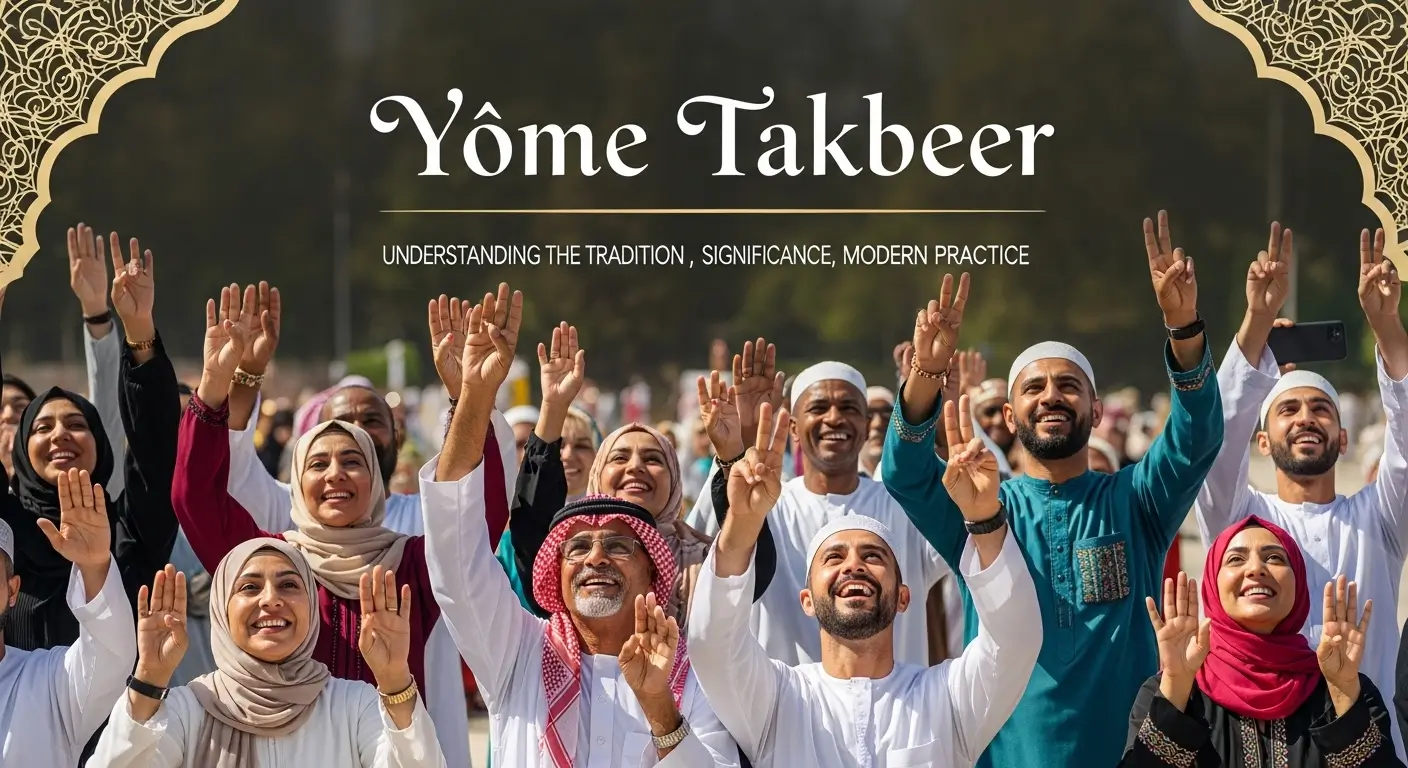
Yome Takbeer is a phrase that holds deep meaning in Islamic tradition, especially during the holy month of Dhul Hijjah. Many people hear the term during the days of Eid ul Adha, but not everyone fully understands its meaning or significance.
At its core, Yome Takbeer refers to the “Day of Takbeer” — a time dedicated to the remembrance of Allah through the saying of “Allahu Akbar.” This practice is not just a ritual; it is a spiritual exercise that connects Muslims around the world in unity, devotion, and gratitude.
In this article, we will explore everything about Yome Takbeer — its history, spiritual meaning, how it’s performed, and its place in the modern Muslim world. Whether you’re learning about it for the first time or seeking to deepen your understanding, this guide will walk you through every aspect of this important tradition.
The Meaning Behind Yome Takbeer
Breaking Down the Term
The phrase Yome Takbeer comes from two Arabic words:
- Yome – meaning “day”
- Takbeer – referring to “saying Allahu Akbar” (Allah is the Greatest)
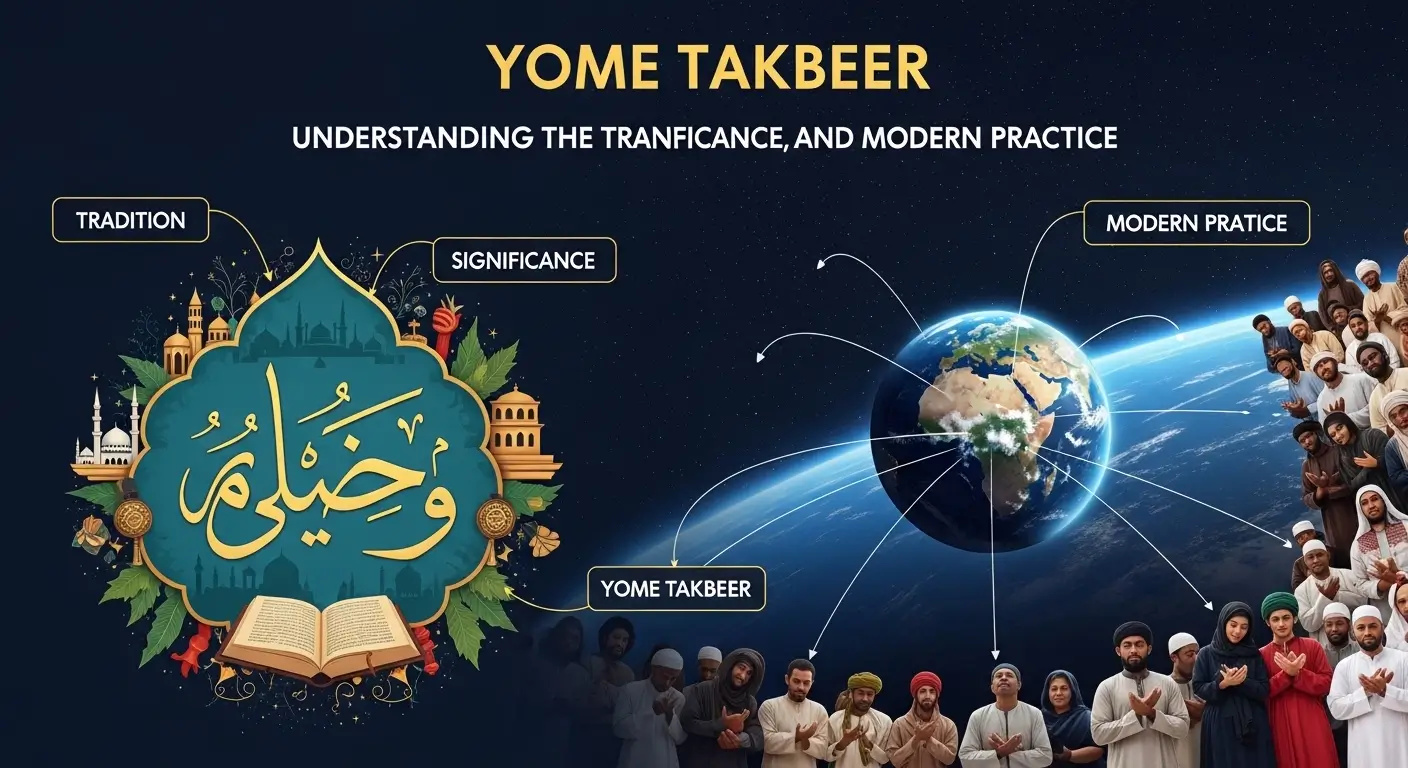
Together, Yome Takbeer means “The Day of Takbeer.” It is a day filled with dhikr (remembrance of Allah), reflection, and devotion. The central phrase, Allahu Akbar, reminds Muslims of Allah’s greatness and supremacy above all things.
The Spiritual Essence
Saying Allahu Akbar is more than just words. It is a declaration of faith, a reminder of divine presence, and a way to express humility before Allah. During the Yome Takbeer, Muslims are encouraged to say it repeatedly with full concentration and sincerity. It is not about speed or quantity, but about presence of heart and awareness of who Allah is.
Historical Background of Yome Takbeer
Origins in Islamic Tradition
The practice of Takbeer dates back to the time of the Prophet Muhammad (peace be upon him). Historical records show that he encouraged people to say Allahu Akbar during specific days, especially in the month of Dhul Hijjah. This was a way to remind people of Allah’s greatness during the sacred period of Hajj and Eid ul Adha.
Connection to the Hajj Pilgrimage
During Hajj, pilgrims gather in the plains of Arafat and Mina, where the sound of Takbeer fills the air. The Yome Takbeer is closely related to these rituals. Pilgrims recite Allahu Akbar repeatedly during the days of Tashreeq (the 9th, 10th, and the three days after the 9th of Dhul Hijjah). This practice symbolizes unity among all Muslims, regardless of nationality or race.
Mention in the Quran and Sunnah
The Quran encourages the remembrance of Allah through exaltation and praise. For example:
“He is the One, Allah the One. Allah, the Eternal.” (Surah Al-Ikhlas)
The Prophet Muhammad (peace be upon him) said:
“The best dhikr is La ilaha illallah, and the best supplication is Alhamdulillah.” (Tirmidhi)
While these are different phrases, they all point toward remembering Allah with sincerity and love — which is the essence of Yome Takbeer.
When Is Yome Takbeer Observed?
The Sacred Days
Yome Takbeer is especially observed during the first ten days of Dhul Hijjah, the twelfth month of the Islamic calendar. These are considered the most blessed days of the year. The 9th of Dhul Hijjah, known as the Day of Arafah, is when pilgrims gather on the plain of Arafah in Hajj. The 10th is Eid ul Adha, the day when the Takbeer continues after the Eid prayer.
The Days of Tashreeq
The days of Tashreeq refer to the 9th, 10th, 11th, and 12th (or 13th, depending on the moon sighting) of Dhul Hijjah. During these days, Muslims are encouraged to recite Takbeer after every obligatory prayer. This is known as Takbeer Tashreeq.
Example:
After each Salah (prayer), Muslims say:
Allahu Akbar, Allahu Akbar, La ilaha illallahu wallahu akbar, Allahu Akbar wa lillahil hamd.
This specific form of Takbeer is a Sunnah act that connects Muslims in unity during these blessed days.
How Yome Takbeer Is Practiced
Reciting the Takbeer
The practice of Yome Takbeer is simple yet deeply spiritual. It can be performed anywhere — at home, in the mosque, or even while traveling. The key is to say it with sincerity and awareness.
Steps for Performing Yome Takbeer:
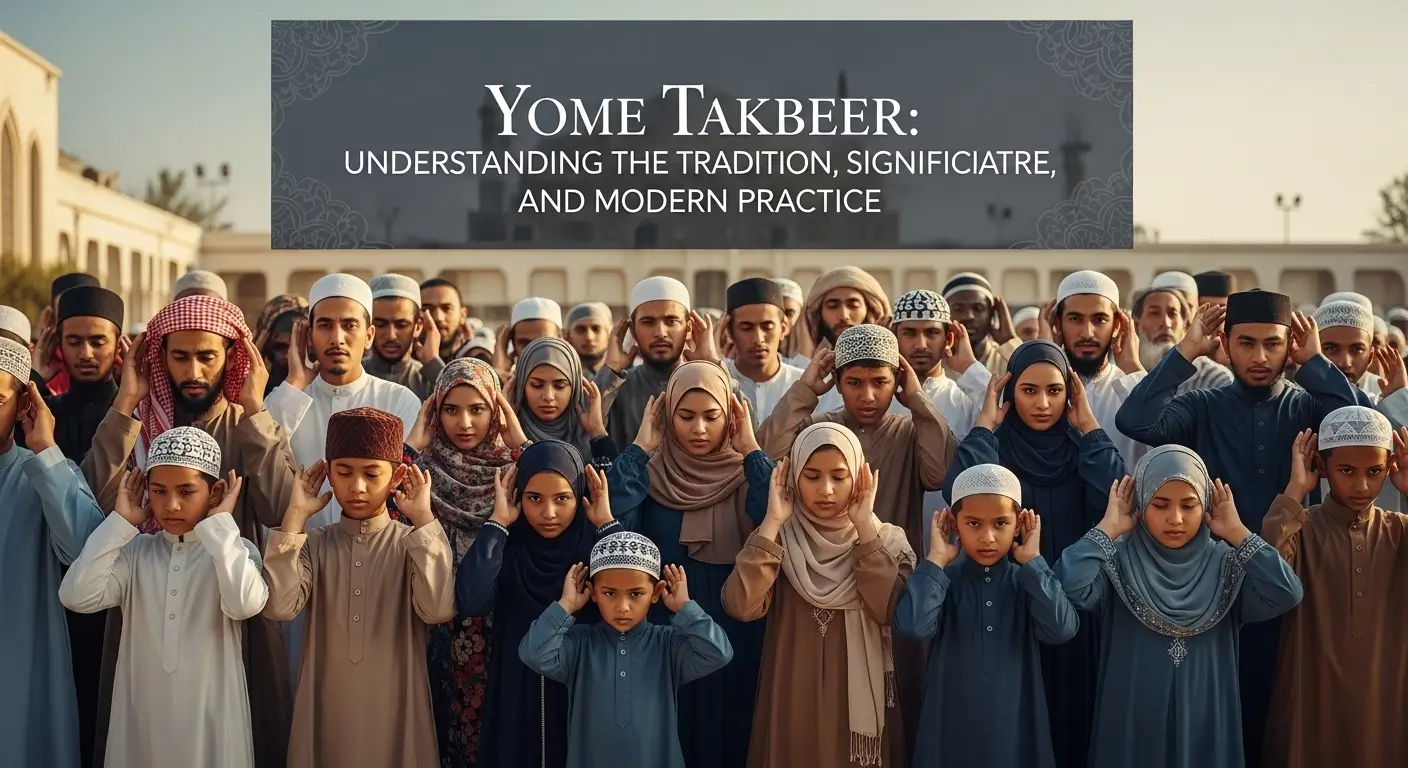
- Begin by raising your hands to the level of your shoulders or chest.
- Say “Allahu Akbar” slowly and with full concentration.
- Lower your hands and let your heart follow the words.
- Repeat as many times as you can, with khushoo (spiritual presence).
Raising Hands or Not
Some scholars say raising the hands is recommended, while others say it’s optional. Both ways are acceptable. What truly matters is the intention and the heart’s engagement.
Recommended Times
While Takbeer can be said at any time, it is especially emphasized:
- After Fajr and Maghrib prayers
- During the days of Tashreeq
- On Eid day before the prayer
- During the Eid sermon (Khutbah)
Importance and Benefits of Yome Takbeer
1. Spiritual Elevation
The repetition of “Allahu Akbar” purifies the heart and reminds the believer of Allah’s presence. It helps remove worldly distractions and brings focus to divine remembrance.
2. Forgiveness of Sins
According to a hadith, saying Takbeer with sincerity can lead to the forgiveness of minor sins. The Prophet (peace be upon him) said:
“Whoever says, ‘Subhan Allah wa bihamdihi’ 100 times a day, his sins will be forgiven even if they are like the foam of the sea.” (Bukhari)
While this is a different phrase, the principle remains: dhikr brings forgiveness and mercy.
3. Unity Among Muslims
During Yome Takbeer, Muslims around the world say the same words at the same time. It creates a sense of unity and brotherhood, especially during Hajj and Eid.
4. Renewal of Faith
The constant repetition of “Allahu Akbar” renews a Muslim’s faith and strengthens their connection with Allah. It reminds them that everything in life is under Allah’s control.
Common Mistakes to Avoid During Yome Takbeer
While the act itself is simple, people sometimes make small mistakes that reduce its spiritual impact.
1. Saying It Hastily
Many people rush through the words. Remember, Takbeer is not about quantity but concentration. One heartfelt “Allahu Akbar” is better than a thousand without focus.
2. Treating It as a Ritual
Some say Takbeer out of habit. It should be done with awareness and love, not mechanically.
3. Ignoring the Meaning
Understanding the meaning of Allahu Akbar enhances the experience. It means “Allah is the Greatest,” a reminder of His supremacy over everything.
4. Speaking During the Silence
In some gatherings, people talk while others are reciting. It’s best to maintain a respectful and calm environment during Yome Takbeer.
Yome Takbeer Around the World
In the Middle East
In countries like Saudi Arabia, Yome Takbeer fills the air during the days of Hajj and Eid. Mosques, homes, and even the streets echo with “Allahu Akbar.”
In South Asia
In Pakistan, India, and Bangladesh, Takbeer can be heard from minarets and homes during the early mornings of Dhul Hijjah. People decorate their homes with lights and recite Takbeer in groups.
In the Western World
Muslim communities in the U.S., U.K., and Canada also observe Yome Takbeer. Mosques organize collective recitations before Eid prayers, and families practice it together at home.
A Global Spirit
No matter where you are, the sound of Takbeer unites Muslims under one purpose: to exalt Allah and express gratitude for His blessings.
Modern Relevance of Yome Takbeer
Finding Inner Peace
In today’s fast-paced world, people often feel overwhelmed. Yome Takbeer offers a pause — a chance to breathe, reflect, and reconnect with faith.
Strengthening Muslim Identity
For young Muslims, especially in non-Muslim countries, participating in Yome Takbeer helps reinforce their identity and belonging to a global faith community.
Encouraging Gratitude
The repetition of “Allahu Akbar” reminds people to be grateful for life, health, and opportunities. It encourages a positive mindset even in hardship.
Inspirational Quotes and Thoughts
Here are a few quotes that capture the spirit of Yome Takbeer:
- “When you say Allahu Akbar, remember that you are calling yourself to witness His greatness.”
- “In every ‘Allahu Akbar,’ the heart finds a moment of peace.”
- “The greatest reminder in life is that Allah is the Greatest.”
Conclusion
Yome Takbeer is more than a phrase or ritual — it is a reminder of Allah’s greatness and our humble place before Him. In a world full of distractions, it brings people back to what truly matters: faith, gratitude, and remembrance.
When we say “Allahu Akbar,” we are not just uttering words. We are affirming that Allah is above all, that His mercy is vast, and that His presence is everywhere. Whether during the days of Hajj, Eid, or any other time, Yome Takbeer invites us to pause, reflect, and reconnect with our Creator.
So this year, as the crescent moon of Dhul Hijjah appears, join the millions around the world in saying Allahu Akbar with sincerity and joy. Let it echo not just from your lips, but from your heart.
Frequently Asked Questions (FAQs)
Q: Is Yome Takbeer only for Hajj pilgrims?
A: No, everyone can observe it, whether performing Hajj or not.
Q: Can women participate in Yome Takbeer?
A: Absolutely. All Muslims are encouraged to join, regardless of gender.
Q: Do we only say Allahu Akbar on Yome Takbeer?
A: Other forms of dhikr, such as Alhamdulillah and Subhan Allah, are also recommended.
Q: Does saying Takbeer have any specific time limit?
A: No, but it is especially emphasized during the days of Tashreeq.
Q: Can I say Takbeer silently?
A: Yes, what matters most is sincerity and focus, not volume.